
Indoor Humidity in Winter: The Right Level and What to Check Before You Buy or Sell
What indoor humidity level to aim for in winter, how to spot air that is too humid or too dry, how to fix it, and what buyers and sellers should check, based on Health Canada, CMHC and the OACIQ.
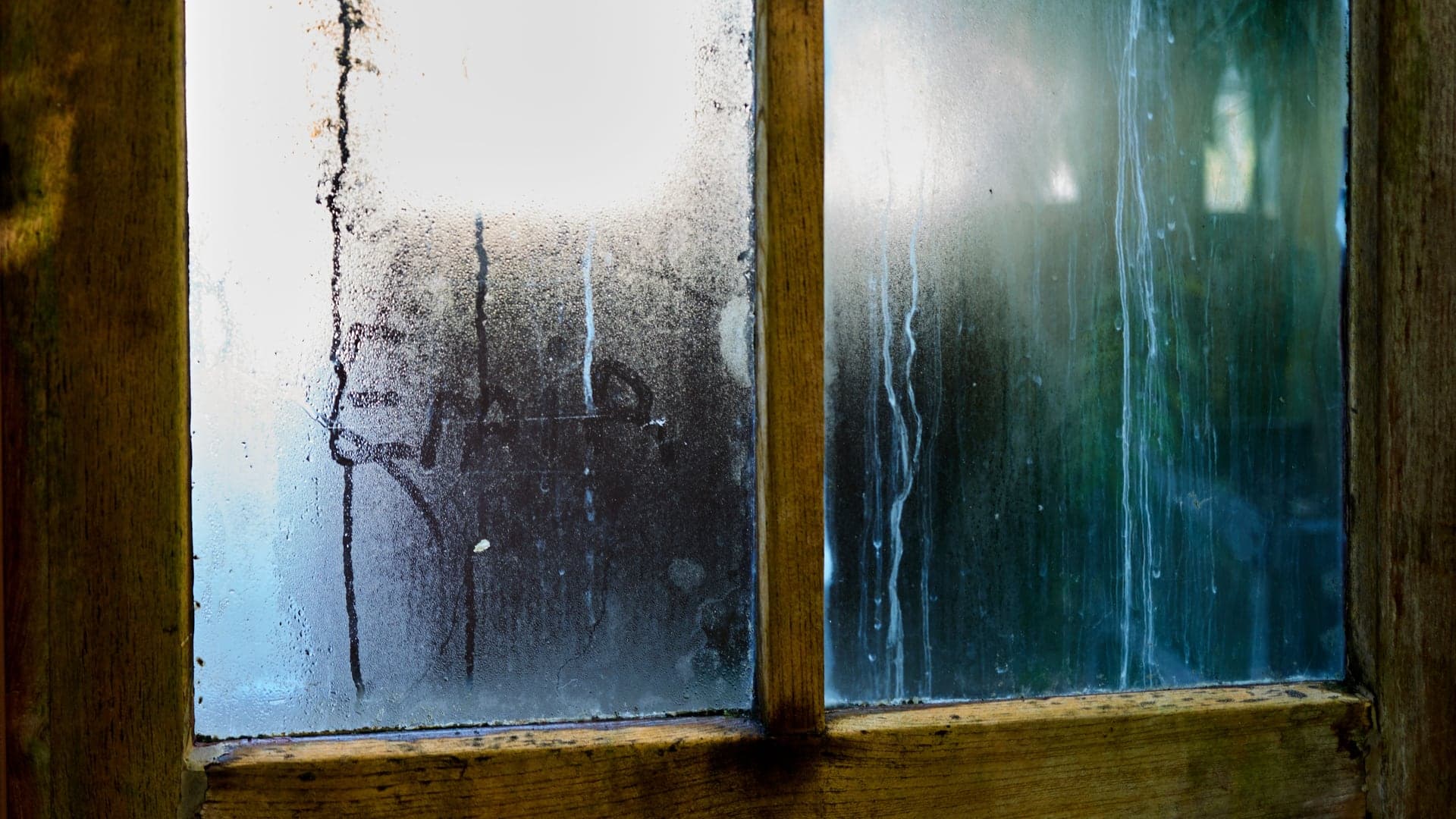
Do your windows fog up in very cold weather, or is the air in your home too dry? This guide presents the recommended indoor humidity level in winter, the warning signs and the solutions, then a broker's perspective: what to look at during a visit or inspection, and what to fix before selling. Information checked on November 9, 2026.
At a glance
- Health Canada, CMHC and the INSPQ recommend between 30% and 50% relative humidity; Québec.ca, generally between 30% and 55%.
- In winter, aim for the low end of the range, around 30%, according to Health Canada and CMHC.
- Regular condensation, a musty odour and stains point to air that is too humid; static electricity and a dry throat, to air that is too dry.
- The OACIQ's Déclarations du vendeur (seller's declarations) form asks whether regular and significant condensation has ever formed in winter.
- An inspection does not see everything: mould is often hidden behind walls, according to Montréal public health.
What indoor humidity level should you aim for in winter?
Between 30% and 50% relative humidity, near the low end of that range in very cold weather. The figures vary by agency:
- Health Canada (January 2023 guide): between 30% and 50%, with a dehumidifier above 50% or when condensation forms on cold surfaces.
- Health Canada (page on humidifiers): around 30% in winter and 50% in summer.
- CMHC (guide revised in 2017): between 30% and 50%; when it is below -10°C outside, 30%, and as low as 25% in extremely cold regions.
- Natural Resources Canada: 30% to 50%, lower in winter.
- Québec.ca (2022, in French): low enough to avoid condensation, generally between 30% and 55%.
In very cold weather, the glass cools down and condensation appears faster. Natural Resources Canada publishes the maximum relative humidity, at 21°C indoors, before condensation forms on windows:
- 0°C outside: 58% with double glazing, 70% with low-emissivity (low-E) double glazing.
- -10°C: 44% and 59%.
- -20°C: 34% and 50%.
- -30°C: 25% and 42%.
The table also covers other types of glazing. According to the INSPQ, a cold or poorly insulated surface can collect condensation even below the recommended range, particularly in winter.
What are the signs of air that is too humid in a home?
Frequent condensation on windows is the first clue. According to Québec.ca, Health Canada and Natural Resources Canada, also watch for:
- frost or water on window panes and sills;
- stains on walls, ceilings or around windows, often greenish or black;
- a musty or earthy odour;
- peeling paint, wrinkled wallpaper, warped wood or a white powder on masonry;
- mould in bathrooms, closets or on exterior walls.
Occasional condensation is not a problem; excessive condensation or frost means you need to reduce humidity or ventilate more (Natural Resources Canada). Mould can begin to grow within 48 hours (Health Canada). In Montréal, about 10% of households report visible mould or a mouldy odour, according to surveys by the Direction régionale de santé publique (DRSP, the regional public health department) conducted since 2010.
What are the signs of air that is too dry?
Static electricity and a dry throat are the most commonly cited clues.
- Natural Resources Canada: above 20%, humidity helps prevent sore throats and static electricity.
- INSPQ: low humidity can dry out the eyes, nose, throat and skin.
- Natural Resources Canada: over-ventilation can dry out the air, which may indicate a system that is oversized or needs to be turned down.
- CMHC: if the air is very dry, install weatherstripping and caulking around windows and doors, and keep the ventilation running.
How do you correct the humidity level in your home?
Measure first, then act on the cause.
Measure with a hygrometer
A hygrometer is available at low cost in most hardware stores, according to Québec.ca (in French). Take readings in several rooms: according to the INSPQ, the level can differ near a cold exterior wall.
Ventilate and reduce moisture sources
- Range hood while cooking; bathroom fan during the shower and for at least 30 minutes after, exhausted outside (Health Canada).
- Dryer vented outdoors, with no laundry drying and no firewood inside the house (Natural Resources Canada).
- Curtains open and baseboard heaters clear to warm the windows (Health Canada).
- After air-sealing work, monitor humidity: without sufficient ventilation, it can rise (Health Canada).
Maintain the air exchanger
According to Natural Resources Canada, a heat recovery ventilator (HRV) typically recovers 70% to 80% of the exhausted heat and must be installed and balanced by a certified technician. Hydro-Québec advises keeping it running at all times, except for maintenance.
- Filters: at least every three months (Hydro-Québec) or every 2 months (CMHC); follow the unit's manual.
- Core: cleaned according to the manufacturer (CMHC).
- In winter: outdoor vents cleared of snow and frost (CMHC).
- Every year: ductwork and grilles checked (CMHC).
Humidifier and dehumidifier
- Portable humidifier: reservoir emptied after each use, cleaned and disinfected regularly (Health Canada).
- Furnace humidifier: trays cleaned and dried often (CMHC).
- Condensation or damp stains: do not use the humidifier (CMHC); Health Canada advises unplugging it.
- Dehumidifier: in the basement, windows closed, tray emptied and cleaned regularly (Health Canada, Québec.ca).
What should a buyer look at during a winter visit or inspection?
Windows, odours and ventilation. In cold weather, condensation shows up more quickly. Look, smell and ask questions:
- Windows: frost, water or stains in the corners and on the sills.
- Exterior walls, closets, bathrooms and basement: stains, water marks, musty odour.
- Air exchanger: running, clean filters, year installed, maintenance contract.
- Recently repainted area: ask why, because paint does not kill mould (Health Canada).
Then read the Déclarations du vendeur form: water infiltration (D4), regular and significant condensation in winter, damp odours and signs of mould (D7), the air exchanger (D12.14), inspection reports (D13) and details on how the situation was resolved (D15).
According to Éducaloi, an inspection is not mandatory, but defects that a prudent and diligent buyer could have detected are not covered by the warranty. According to the DRSP, mould hidden behind structures can escape an inspector; a moisture meter or thermal camera can help.
Starting October 1, 2027, a pre-purchase inspector will have to hold a certificate from the Régie du bâtiment du Québec (RBQ). A broker on our team can help you prepare your questions.
What should a seller address before listing?
The cause of the humidity, equipment maintenance and written proof.
- Repair leaks and water infiltration: mould comes back if the source of moisture remains, and paint only hides the problem (Health Canada).
- Service the air exchanger, fans and dryer, and keep invoices, warranties and reports.
According to the OACIQ, all known defects must be disclosed before the property is listed, in the Déclarations du vendeur form, in good faith and to the best of your knowledge. The form is mandatory when you work with a broker, and disclosure also applies to a sale without the legal warranty of quality. Section D15 lets you explain how each situation was resolved.
According to Éducaloi, the seller must inform the buyer of the defects they know about. According to the OACIQ, a seller can also be held liable for a latent defect they were unaware of, such as mould inside the walls. A broker on our team can help you complete the form.
What to check before buying or selling in winter
- The humidity level, measured in several rooms.
- The windows, their corners and sills, in cold weather.
- Exterior walls, closets, bathrooms and the basement: stains and odours.
- The range hood, fans and dryer: exhaust to the outside.
- The air exchanger: clean filters, clear vents, year installed, maintenance contract.
- Sections D4, D7, D12.14, D13 and D15 of the seller's declarations.
- For the seller: cause corrected, invoices gathered, declaration up to date.
Frequently asked questions
What is a normal humidity level in a home?
Between 30% and 50% according to Health Canada, CMHC and the INSPQ; generally between 30% and 55% according to Québec.ca. A level within this range does not, however, rule out a mould problem (INSPQ).
Is 60% humidity in the house in winter too high?
It is above every range cited here. The Montréal DRSP advises staying below 55% to limit dust mites, which thrive above 60%. And at -10°C outside, condensation appears above 44% on double glazing (Natural Resources Canada).
Should you have the air tested for mould before buying?
Generally, no: Health Canada does not recommend it in most cases, and Québec.ca considers air sampling often very difficult to interpret.
Should the air exchanger run all winter?
Yes, according to Hydro-Québec, except for maintenance. If the air becomes too dry, the system may be oversized or need to be turned down, according to Natural Resources Canada.
Sources, method and limits
- Health Canada: Guide to addressing moisture and mould indoors, January 2023 (https://www.canada.ca/en/health-canada/services/publications/healthy-living/addressing-moisture-mould-your-home.html); Cool-mist humidifiers, 2016
- CMHC: Mould in Housing, revised in 2017 (https://assets.cmhc-schl.gc.ca/sf/project/cmhc/pdfs/content/en/mould-information-for-occupants.pdf); How to Maintain a Heat Recovery Ventilator, 2018
- Natural Resources Canada: Keeping the Heat In (https://www.canada.ca/en/environment-climate-change/services/energy-efficiency/home-energy-efficiency/keeping-heat.html)
- Québec.ca: Reconnaître et éliminer les moisissures dans la maison, 2022, in French (https://www.quebec.ca/habitation-territoire/milieu-de-vie-sain/reconnaitre-et-eliminer-les-moisissures-chez-soi); Problèmes de santé causés par les moisissures, 2022, in French
- INSPQ: Mesures de l'humidité relative, in French; DRSP de Montréal: Moisissures, 2025, in French; Hydro-Québec: ENERGY STAR air exchanger
- OACIQ: Déclarations du vendeur sur l'immeuble, 06/2022 (https://www.oaciq.com/media/badfjazf/declarations-vendeur.pdf), and page on latent defects, in French; Éducaloi: Le vice caché dans un immeuble, in French; RBQ: Certificat d'inspecteur en bâtiments d'habitation, in French
Method: facts checked at their source on November 9, 2026, ranges cited as published. Limits: general information that does not replace medical, technical or legal advice. For a mould diagnosis, consult a building inspector or a qualified professional; for symptoms, a health professional or Info-Santé 811. Some sources date from 2016 to 2018. Written by Équipe Lefrançois.

Planning a real estate purchase in Montreal?
Our team can help you find the property that matches your project.
Related content

Living in Westmount: Real Estate, Property Types and What to Know Before Buying
Westmount real estate guide: a separate city in the Montréal agglomeration, property types, Q3 2026 Centris data, heritage and renovation rules, welcome tax, 2026 taxes and services, plus a checklist for buyers.

Divided vs Undivided Co-ownership: What's the Difference in Montréal?
Divided or undivided co-ownership in Montréal: what you buy, management, taxes, down payment, conversion and repossession of a unit, for a condo or a unit in a plex.

Buying a Repossessed Home (Reprise de Finance) in Quebec: What You Need to Know
Taking in payment or sale under judicial control, the 60-day prior notice, legal warranty, inspection and 2025 figures: what to know before buying a repossessed home (reprise de finance) in Quebec.