
What's Changing in Rosemont–La Petite-Patrie: Demolition Rules, 2027 Local Tax and the Rue Masson Work
A new definition of demolition, a 14% local tax increase, Rue Masson under construction in 2027 and more than 500 homes approved or being built: what is changing in Rosemont–La Petite-Patrie for owners and buyers.
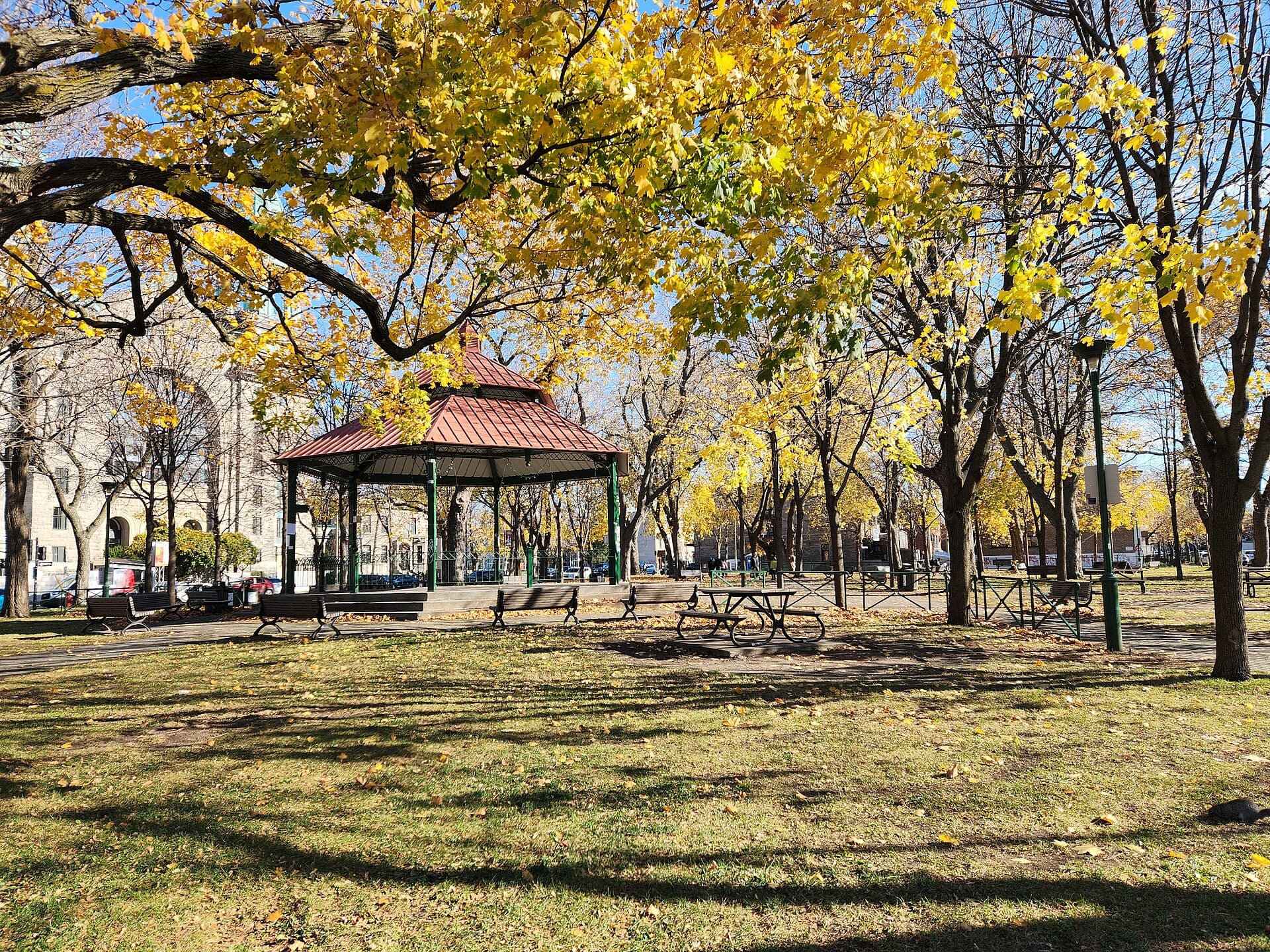
Every quarter, our team reviews the decisions and projects that change daily life in our areas, and what they mean for owners and buyers. Here is what to know about the borough of Rosemont–La Petite-Patrie this fall 2026. Facts checked on November 5, 2026.
At a glance
- Demolition: a draft by-law sets at 50% the threshold above which work counts as a demolition, with specific rules for façades.
- 2027 local tax: according to La Presse, it rises 14% in the borough, compared with 8.75% on average in Montréal; the City will present its budget on November 24.
- Rue Masson: rebuilding the underground networks and redesigning the street, between 1re and 17e Avenue, has been postponed to 2027, with less parking and wider sidewalks.
- New housing: more than 500 homes approved or under construction, including 350 affordable units at Îlot Angus, to be delivered by April 30, 2027.
Demolition: what counts for a major renovation
On October 6, 2026, the borough adopted a draft by-law that defines what counts as a demolition: a 50% threshold and specific provisions for demolishing a façade. A public consultation meeting was held on October 28. Final adoption had not been confirmed as of November 5.
What it means: the definition of demolition determines whether a project goes through the demolition committee and its process. If you plan to renovate a plex in depth or rebuild it, check the final text of the by-law before planning the work or buying to renovate.
2027 local tax: a 14% increase, according to La Presse
According to La Presse (October 19, 2026), Rosemont–La Petite-Patrie's local tax rises by 14% in 2027, compared with an average of 8.75% across boroughs. The borough mayor describes it as catching up, since the rate was below average. The local tax makes up about 13% of a Montréal owner's tax bill.
What it means: a 14% increase in the local tax does not mean a 14% higher tax bill, since this item is only about 13% of it. The total will also depend on the City's budget, to be presented on November 24. For a plex, use the actual tax bill when calculating income and expenses.
Rue Masson: major construction in 2027
The water, sewer, electrical and telecommunications work and the redesign of Rue Masson, between 1re and 17e Avenue, have been postponed to 2027. The chosen design has one traffic lane in each direction, wider sidewalks, more trees and the removal of parking: all of it between 1re Avenue and Boulevard Saint-Michel, and about 50% between Saint-Michel and 17e Avenue. The start date has not been published.
What it means: owners and merchants on Rue Masson and nearby streets should expect major construction and less on-street parking. If you are selling or buying nearby, factor in the schedule as soon as it is published.
New housing: what is being added around you
Since the summer, the borough has approved several projects: 102 homes on Rue des Carrières, between Chambord and De Lanaudière; 38 homes and 2 commercial units at Beaubien Est and 10e Avenue; 24 homes at 3330 Avenue Laurier Est; and 68 homes at 1315-1345 Rue de Bellechasse. At Îlot Angus, 350 affordable units are under construction, to be delivered by April 30, 2027. Since June 2026, these projects have been reviewed under a new provincial framework, as the former section 93 was repealed by Bill 22.
What it means: the housing supply is growing in several parts of the borough, with construction to expect near these addresses. For a neighbouring owner or a buyer, look into the approved project nearby: height, number of storeys and schedule.
What to watch in the coming months
- The final adoption of the demolition by-law and its final text.
- The City of Montréal's 2027 budget, to be presented on November 24, 2026.
- The Papineau–des Carrières underpass: work until fall 2027, including replacing lead water service lines for the addresses concerned and new bike lanes.
- School zones: phase 1 in La Petite-Patrie is complete (nine alleys made safer) and other school areas are planned, with changes in traffic direction.
Frequently asked questions
Is the new demolition by-law in force?
Not as far as we know as of November 5, 2026: the draft was adopted on October 6 and presented for consultation on October 28, but final adoption had not been confirmed. Before major work, check with the borough.
Will my tax bill go up by 14%?
No: it is the borough's local tax that rises by 14% according to La Presse, and it is only about 13% of the bill. The total will also depend on the City's budget, to be presented on November 24.
Sources, method and limits
Sources: City of Montréal, Rosemont–La Petite-Patrie borough pages on planning files under review, this year's work, the Papineau–des Carrières underpass and the La Petite-Patrie school zone (consulted on November 5, 2026); La Presse, October 19, 2026 (2027 local taxes); CBC, November 4, 2026 (date of the City's budget); Journal de Montréal, June 18, 2026, and Technopôle Angus (Îlot Angus); Est Média, March 26, 2026 (Rue Masson work postponed). Written by Équipe Lefrançois.
Limits: this article summarizes public decisions and announcements checked on November 5, 2026. Several steps are still to come (final adoption of by-laws, work schedules) and may change. It contains no price forecast and no claim about the value of a specific property.

Thinking about selling your property?
Our team can evaluate your property and support you at every step of the sale.
Related content
Certificate of Location in Quebec: What It Is, When to Renew It and What It Costs
Contents, the 10-year rule, changes that require a new certificate and the 2026 suggested fee: what sellers and buyers need to know, according to Quebec's land surveyors.

Home Staging: Preparing Your Home for Sale in Montreal, Room by Room
Declutter, depersonalize, repair, light it up: the home staging steps, room by room, and what staging does not replace, before you list your property.

Municipal Assessment vs Market Value: Why They Differ in Montreal
The 2026-2028 roll reflects the market as of July 1, 2024. What each value measures, why the gap can be large and when to request a review.