
Montreal Summer 2025: A Real Estate Market Between Controlled Recovery and Dispelled Illusions
Montreal 2025: a selective recovery. Sales and prices are up, but only well-positioned properties stand out. Supply is plentiful, affordability remains under pressure. The market demands strategy and rigour.
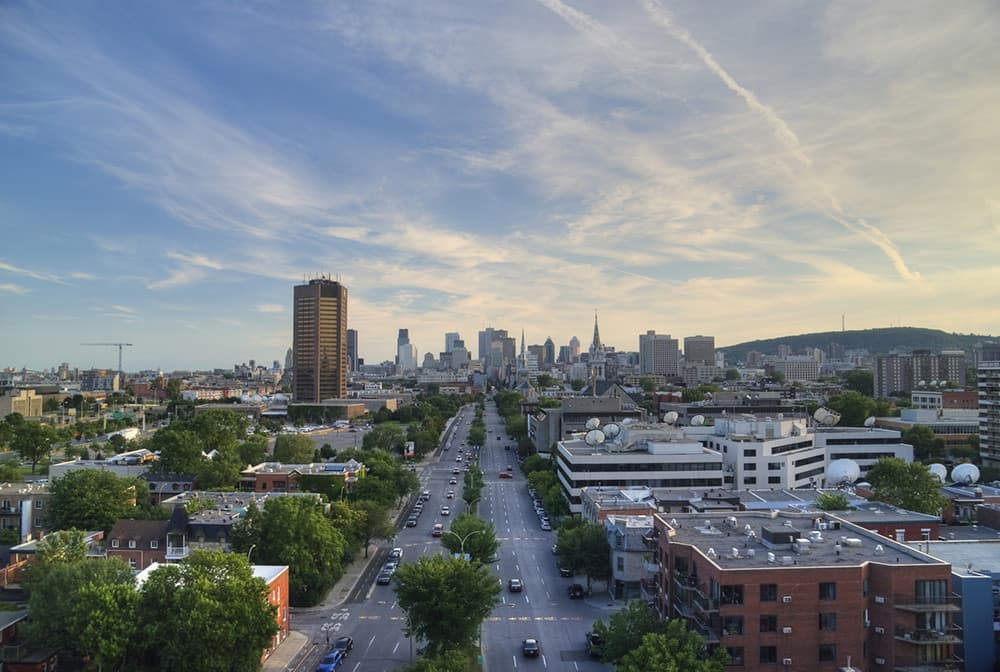
Montreal's residential real estate market is entering summer 2025 in a fragile but very real balance, somewhere between a technical recovery and strategic resilience. The signals are clear: prices are rising, sales are accelerating, selling times are shrinking… but the subtext is more nuanced. This is not a classic boom. We are in a phase of natural selection.
A recovery, yes, but in a market that sorts
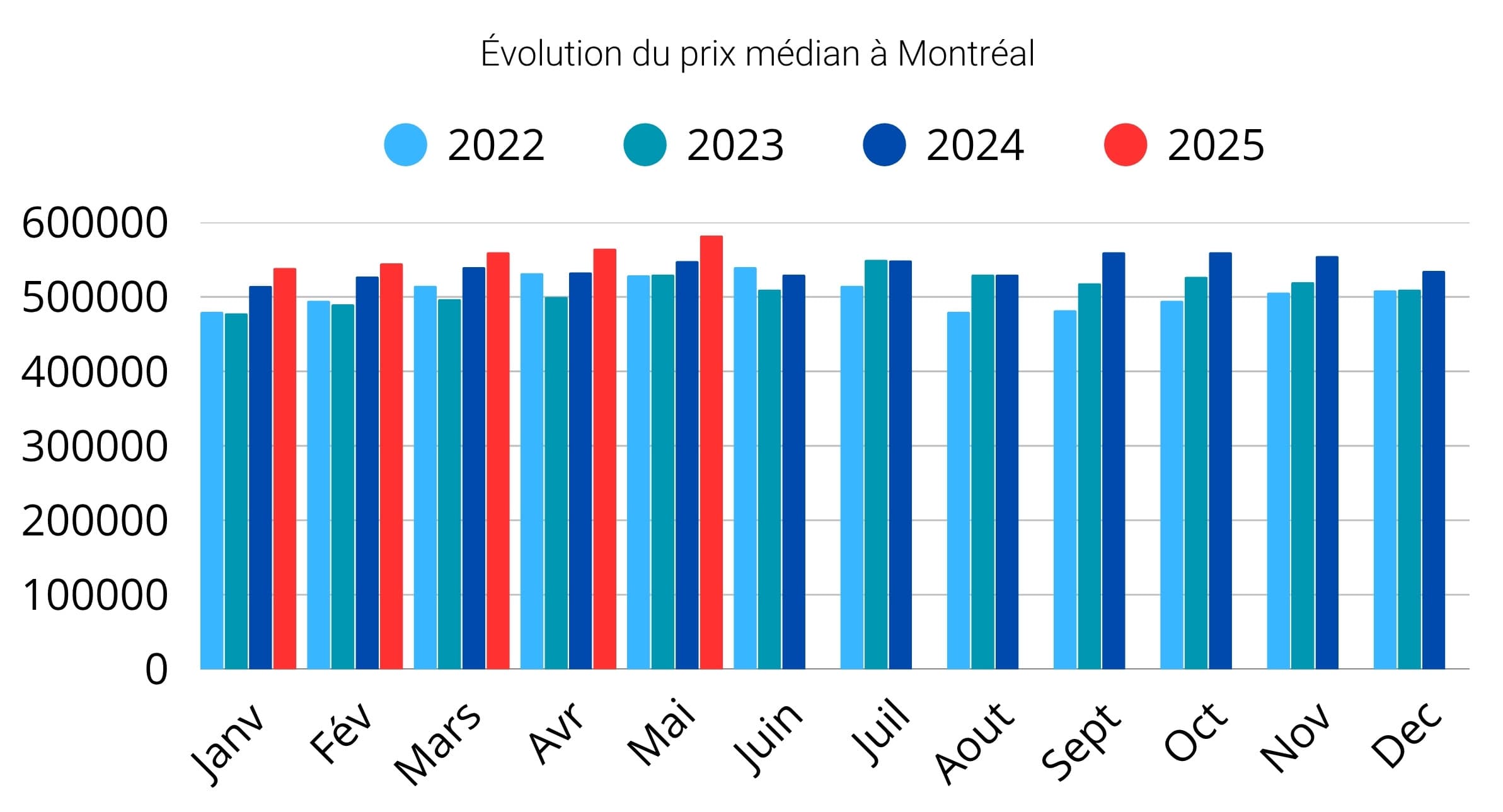
Since January 2025, the median property price in Montreal has gained more than $40,000. Sales volume has grown every month, peaking at more than 1,560 transactions in May. Selling times have dropped from 76 to 43 days. It is a solid rebound. But it is not a broad-based recovery.
It is the well-located, well-marketed, well-renovated properties that sell quickly. The others, poorly priced, poorly maintained, poorly positioned, stagnate. The market absorbs, but it sorts.
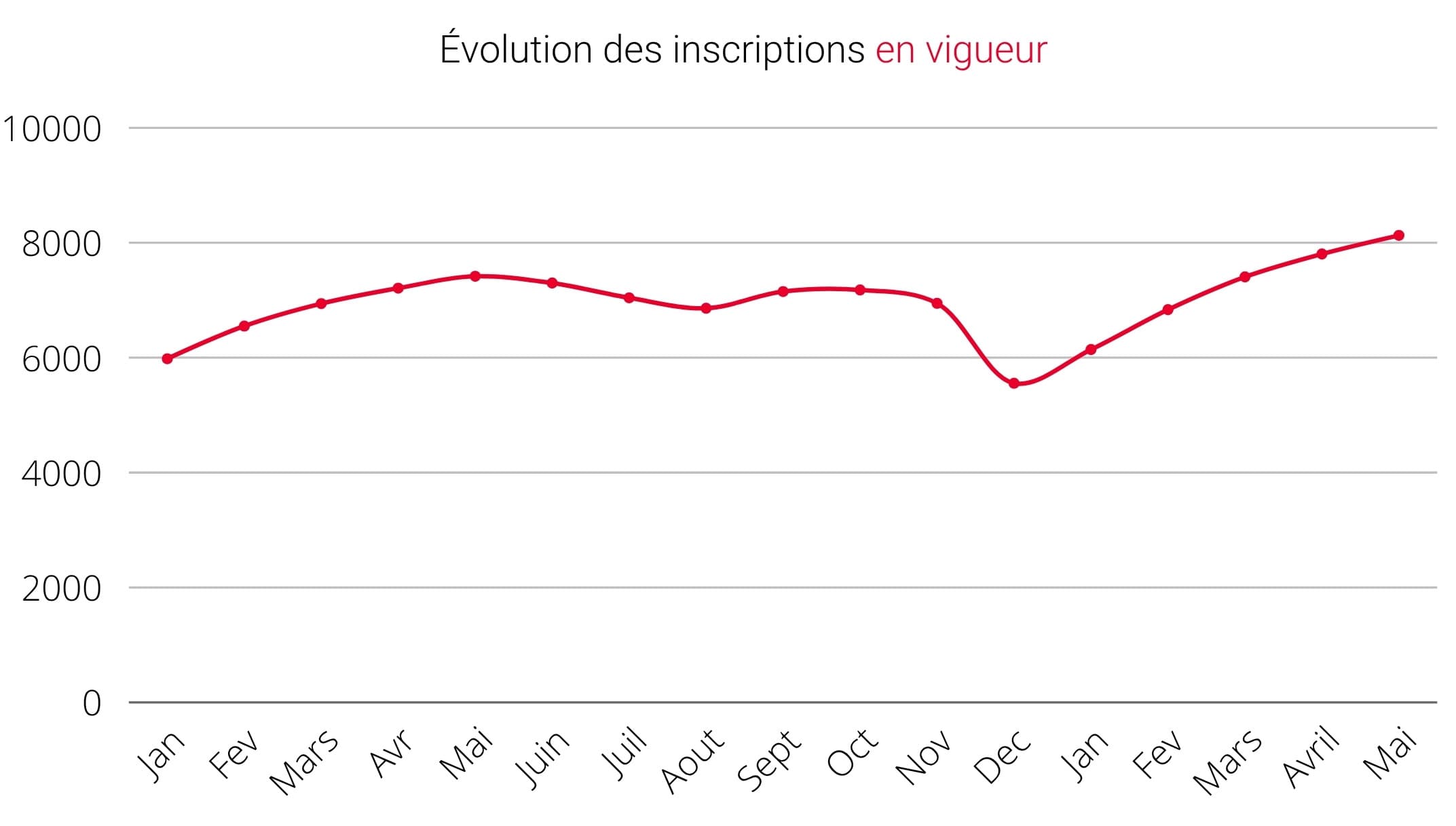
This phenomenon is all the more visible as listings reach seasonal highs, with more than 8,000 properties on the market in May, a level not seen since 2016. This glut is not slowing prices (yet), but it signals fierce competition… among sellers.
A reshaping of the rules of the game
The adjustment that began in 2023 following the rise in interest rates did more than slow bidding wars: it redefined expectations. The market is more rational. Buyers, better informed and more cautious, no longer buy on emotion alone, but on perceived value. The sales-to-new-listings ratio (66% in Montreal in May) still indicates a sellers' market, but the balance of power is less ideological. It has become strategic.
The most revealing figure? In 2025, homes in Montreal are selling on average 2% below the last asking price. The mirage of systematic multiple offers is over in the metropolis, even if some outer suburbs are still experiencing it. In the centre, real estate intelligence is replacing herd instinct.
Montreal, a city of real estate contrasts and divides
Since 2021, the average price of single-family homes has risen by 29%, and that of condos by 19%. But this increase hides an increasingly polarized geography.
The west of the island and prestige areas such as Outremont and the Golden Square Mile have seen values decline over the past two years. In these areas, we are seeing sales below asking of $10,000 to $70,000. Why? Because remote work has broken geographic exclusivity. High-end buyers are buying elsewhere: in the Laurentians, in Old Longueuil, or in Québec City, which has become an emerging real estate metropolis.
Conversely, some outlying neighbourhoods of Laval, Longueuil and Saint-Hubert have seen their values jump by 50 to 72% in four years. These are the market's new engines, propelled by remote work, accessibility and the relative scarcity of supply.
The illusion of abundance
With 23,000 rental apartments under construction in Montreal and growing inventory on Centris, some believe the supply problem has been solved. That would be a mistake. What Montreal is experiencing right now is not structural abundance: it is a poorly distributed, temporary saturation.
High-end units are piling up in new downtown towers, sometimes with free months and paid moving costs. Meanwhile, affordable housing is becoming scarcer, rents in triplexes are rising visibly, and the lines grow longer every July 1st.
The reality is that the rental market has become two-sided: on one side, new luxury; on the other, older units renovated at lower cost to stay in a competitive price range. The tension is there, but it doesn't show in the averages; it is felt at the extremes.
The real challenge: building in the right place, at the right pace
The CMHC estimates that Montreal must triple its housing starts to restore affordability by 2035. That means going from 23,000 to 72,000 units per year. It is colossal. And, for now, unlikely.
The obstacles are many: labour shortages, regulatory burden, approval delays, construction costs. Even with the best intentions, the current pace is not enough to contain demographic pressure.
This structural imbalance keeps prices under constant tension, regardless of cycles. There will be no real correction without a surge in supply.
Conclusion: a clear-eyed, demanding… and unforgiving market
Montreal's real estate market in 2025 is neither euphoric nor in free fall. It is selective. It is a market of intelligence.
For sellers, it demands rigour, strategy and precision: the right price, the right presentation, at the right time.
For buyers, it offers real windows of opportunity, provided they are well advised, well financed, and have given up on the fantasy of the “magic deal.”
And for us, as brokers, it demands more than ever that we be analysts, mediators and strategists. Montreal is no longer an easy market. But for those who know how to read between the lines, it remains one of the most vibrant and complex in the country.
Need help interpreting the market for your project?
Our team can help you understand what this data actually means for your project.
Related content
Verdun and Nuns' Island Real Estate Market: What Q2 2026 Reveals
Single-family prices up sharply, condo prices flat but more units on the market: Centris figures for Q2 2026 show two very different markets in Verdun.

Second Quarter in Montreal: More Choice, but Good Properties Still Sell Quickly
The second quarter of 2026 confirms a change of pace in Montreal’s real estate market. Buyers have more properties to compare, and sales are slowing.

Condos: Ahuntsic Holds Up While Montreal Catches Its Breath
While Montreal’s condo market is slowing, Ahuntsic continues to show resilience, with rising prices and demand that is absorbing the additional supply.