
Why Isn't My House Selling? Possible Causes to Check
Price, presentation, visibility, competition: the factors that can explain why a home stays unsold in Montreal, and how to review them.
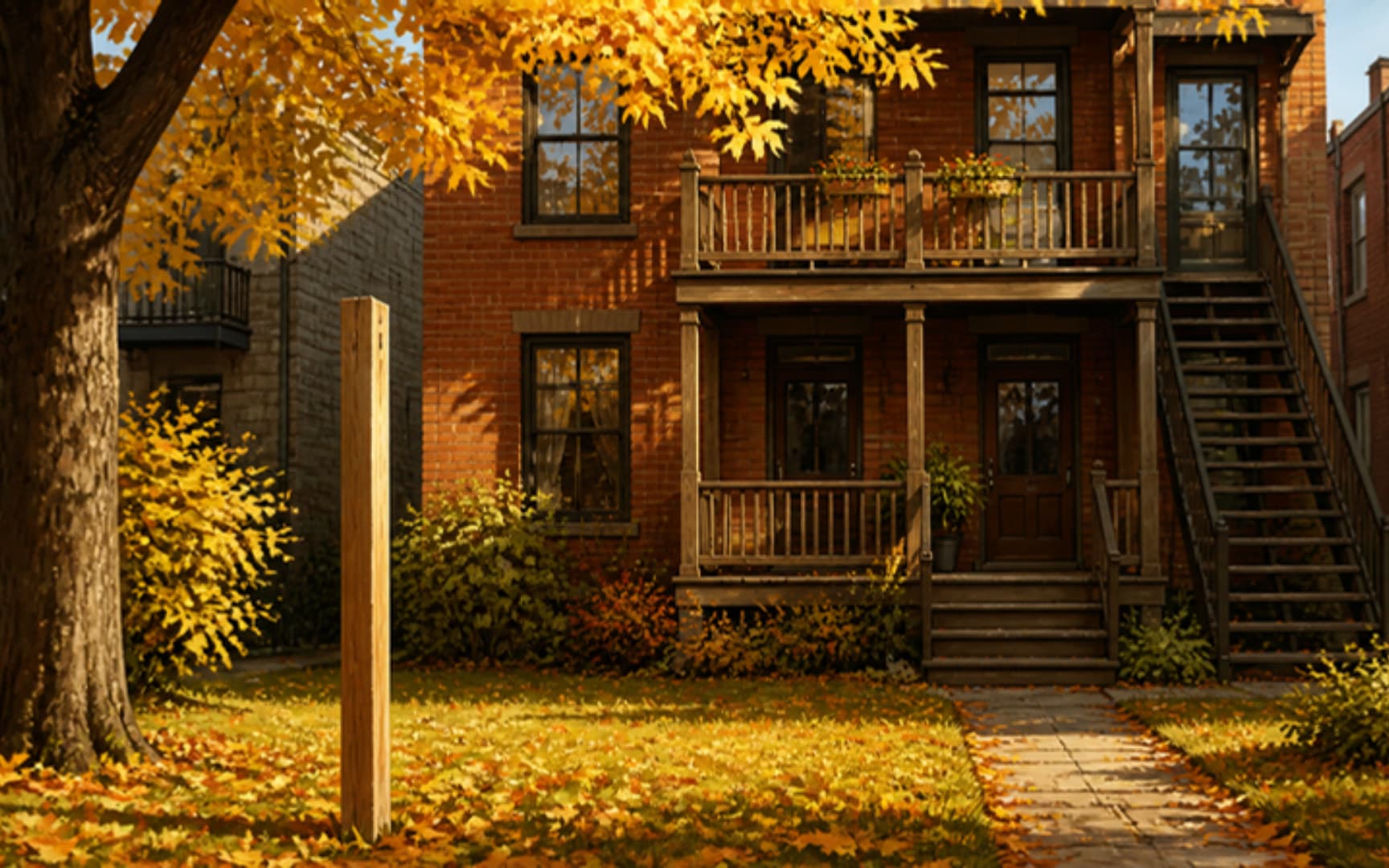
A house that doesn't sell isn't necessarily a bad house. Most of the time, one or more parts of the marketing don't match what buyers are looking for: the price, the presentation, the visibility or the competition. This guide walks you through them in the order a broker would, so you can understand what may apply to your property.
In brief
- There is rarely a single cause: it is often a combination of several factors.
- Price is judged against recent comparable sales and properties currently for sale, not against what you hoped for.
- Photos and the description make the first showing: it happens online.
- Visibility (exposure, sharing with other brokers, open houses) determines who sees your property.
- None of these factors is an automatic explanation: only a review of your file shows what applies.
1. The asking price compared with the market
Price is the first suspect, but not always the culprit. The OACIQ points out that one of the essential steps is setting a realistic selling price, avoiding both underpricing and overpricing, and that your broker should advise you on current market conditions by providing comparables.
What to check: at what price did similar properties in your area sell recently? Which comparable properties are for sale right now, and at what price? Does your listing price differ from them, and why? Adjusting the price doesn't always mean lowering it: it depends on what the data shows.
2. Presentation: photos, description, staging
Most buyers discover a property online before deciding to visit. Dark or few photos, pictures that don't show the home's strengths, a generic description or limited staging can reduce the number of showings.
- Do the photos show the light, the volumes and the main rooms?
- Does the description highlight what truly sets the property apart (location, renovations, neighbourhood features)?
- Is the property tidy and clean during showings?
3. Visibility and exposure
A property has to be seen by the right buyers and by other brokers working with buyers. According to the OACIQ, it is useful to ask your broker which ways of promoting your property they will use: advertising (newspapers, websites, social media), signs, open houses and registration with an information-sharing service between agencies and brokers.
If you don't know how your property was presented, ask for a review: where was the listing published, how many people viewed it, how many showings took place and what feedback was received?
4. Competition and listing timing
Your property is compared with those for sale at the same time, in the same area and price range. A large supply in your category, or listing at a quieter time of year, can lengthen timelines. You don't control this factor, but it can be built into the strategy.
5. Showing availability
Very limited showing windows, long notice periods or restrictive showing conditions can discourage buyers. If that is the case, talk to your broker about adjustments that still respect your daily life.
6. Property condition and terms
Repairs that may be needed, items that keep coming up in buyer feedback or particular sale conditions can slow offers. Knowing what comes up in the feedback helps you decide what to fix and what to present differently.
How to find out what applies to your property
- Ask for a review of the marketing: time on market, price changes, exposure, number of showings and feedback.
- Compare your property with recent sales and current listings in the same range and area.
- Sort the leads: what depends on price, presentation, exposure or timing.
- Decide with the data in hand. The decision is yours.
Frequently asked questions
Should I lower the price if my house isn't selling?
Not necessarily. An adjustment can make sense, but presentation, exposure or positioning also deserve a second look. First compare your price with comparable sales and competing properties, then decide. Nothing guarantees that a price change will lead to a sale, a given price or a given timeline.
How long does a house normally stay on the market?
It depends on the type of property, the area, the price and the time of year. Rather than aiming for an average, compare your property with similar ones in your area: your broker can provide that data.
Does changing broker fix the problem?
Not automatically. What matters is what changes in the strategy. If you are thinking about switching broker, read your brokerage contract first: we cover that in our guide on the subject.
Read next
Sources, method and limits
This guide is for information only. It is not legal advice and does not replace your broker's guidance, and it promises no sale, price or timeline. Points of law come from public pages of the OACIQ (Quebec's real estate brokerage self-regulatory organization), consulted on October 21, 2026, and may change: always check the current version and the wording of your own contract.
Sources: OACIQ, Seller's Guide, "Your Brokerage Contract – Sale" (price and sale conditions, ways to promote the property), page consulted on October 21, 2026. (In French.)

Thinking about selling your property?
Our team can evaluate your property and support you at every step of the sale.
Related content

Brokerage Contract Expired in Quebec: What to Do
Your brokerage contract has ended and your home hasn't sold: the checks to make (end date, 180-day protection) and the options open to you.
Relaunching the Sale of an Unsold Home: A Five-Step Plan
Review what happened, revisit comparables, presentation and exposure, then pick the right timing: how to relaunch the sale of a home that didn't find a buyer.
Certificate of Location in Quebec: What It Is, When to Renew It and What It Costs
Contents, the 10-year rule, changes that require a new certificate and the 2026 suggested fee: what sellers and buyers need to know, according to Quebec's land surveyors.