
REM in Ville Mont-Royal: What’s the Real Impact on Real Estate and the Neighborhood’s Evolution?
The REM in Ville Mont-Royal should support property values and improve mobility, while also driving a gradual urban evolution. A positive lever, provided you understand the nuances and long-term effects.
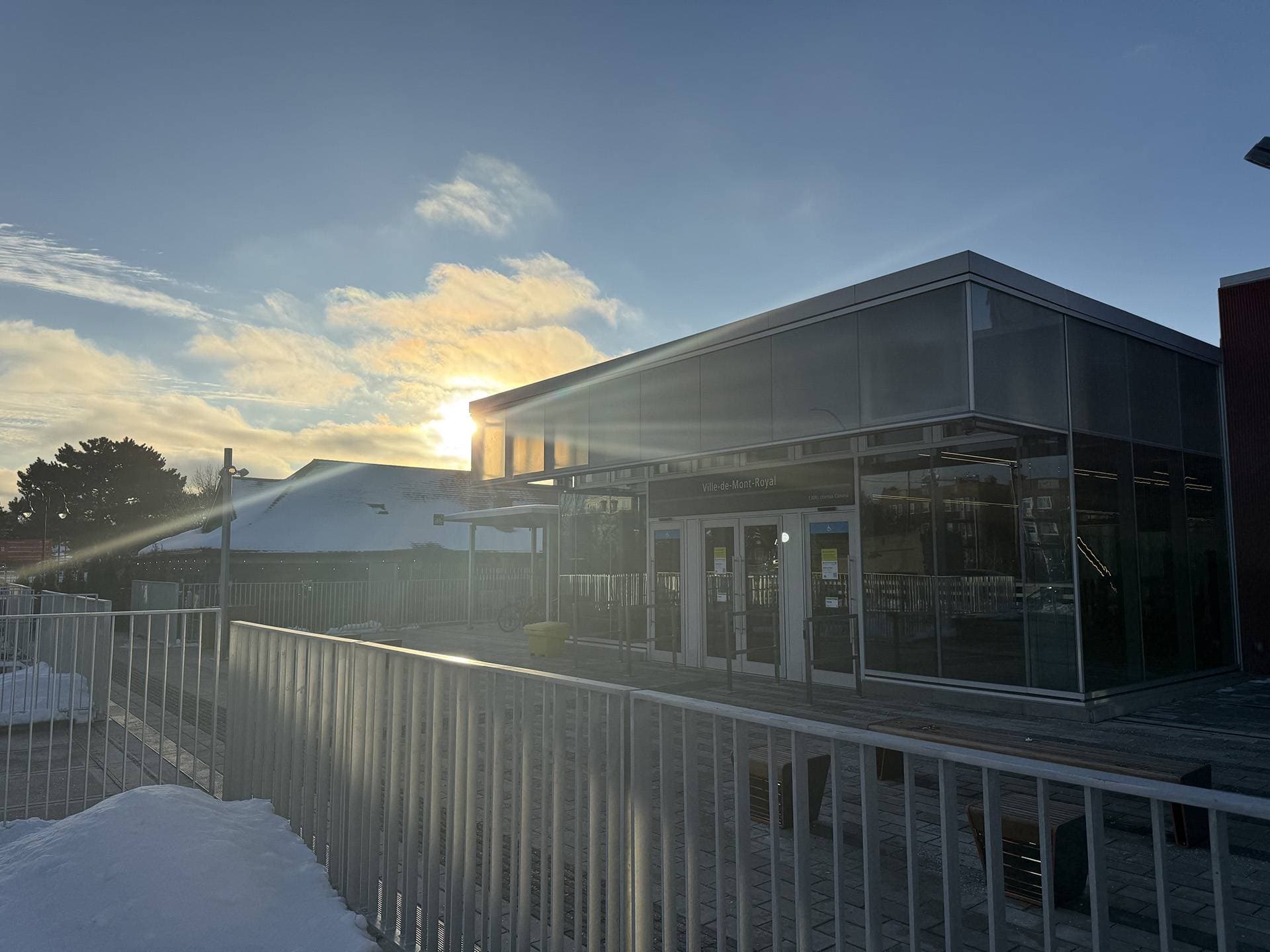
The opening of the new REM station in Ville Mont-Royal is generating strong interest. Homeowners, buyers, and residents are asking: what will the impact be on home values? Will the neighborhood change in the coming years?While local data is still limited, several examples from Quebec and abroad help paint a clear picture of what’s ahead.
In this article, we analyze the impact of major transit infrastructure on:
- property values
- residents’ quality of life
- urban dynamics and neighborhood development
- risks and limitations to anticipate
The REM: a proven driver of rising property values
One of the most well-documented effects of major transit infrastructure is an increase in residential property values. A new station improves accessibility, reduces commute times, and attracts a new pool of buyers.
The example of London’s Elizabeth line
A study conducted around this line observed a 2.2% increase on top of normal inflation-driven growth for homes located within 500 meters of a station, over a short period. It may seem modest, but the impact is real, stable, and closely tied to improved accessibility.
Brossard: accelerated growth between 2022 and 2025
The anticipation of the REM South Shore opening led to an estimated 10% increase in condo prices in Brossard. Over the same period, the Montreal market showed a more modest rise of 2% to 4%.
This significant gap confirms a clear trend: demand increases when a modern rail station is introduced into an area, and buyers are willing to pay a premium.
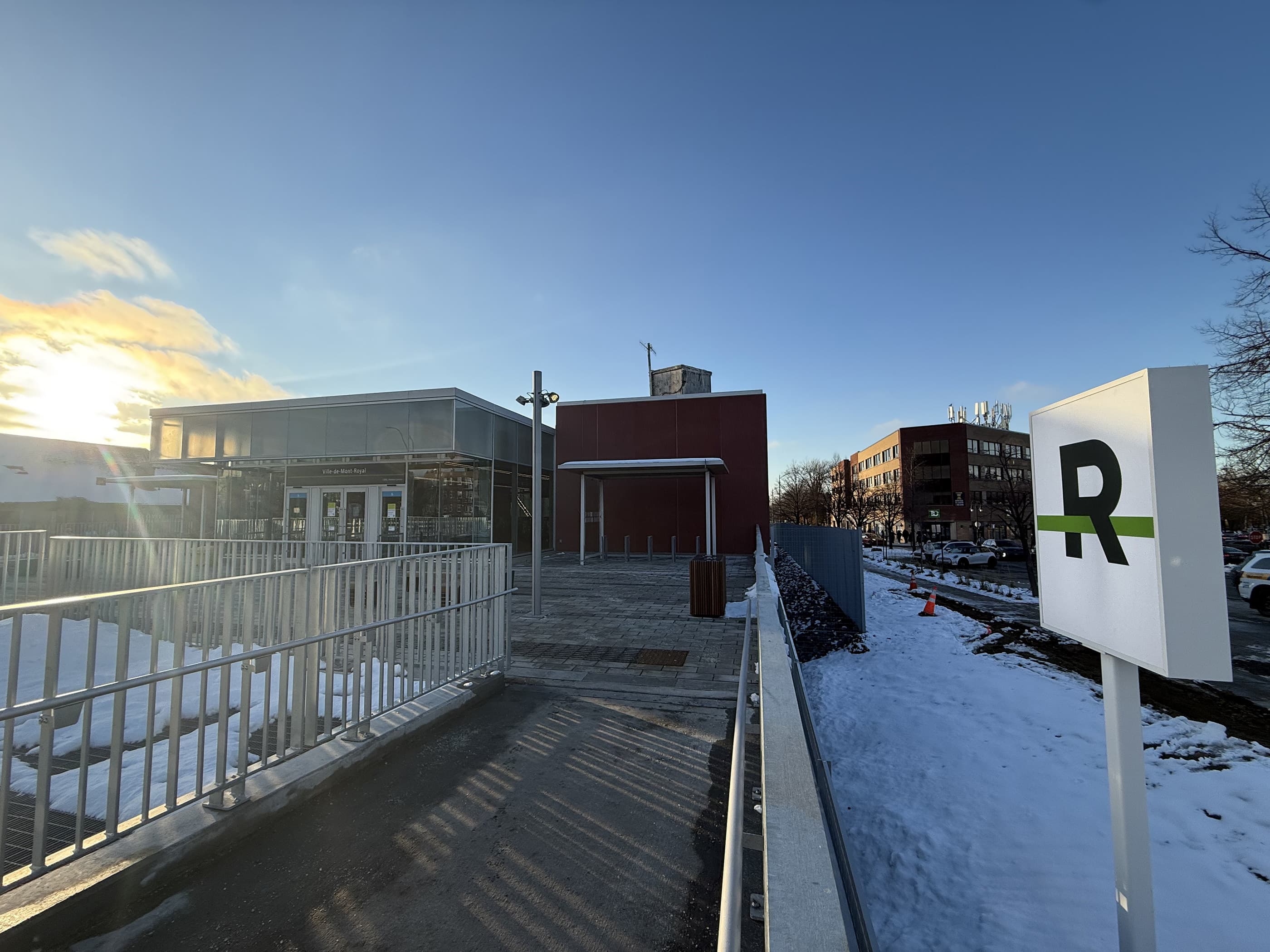
Can being too close to the station hurt property value?
A common assumption persists: the closer a home is to a transit station, the more its value increases. In reality, studies show a more nuanced picture—where immediate proximity can bring clear benefits, but also involves certain trade-offs. Downsides do exist, but they’ve proven to be far less significant than many expected before the REM opened.
Before the REM launched, many buyers had concerns about:
• train noise• potential vibration• increased traffic• nighttime lighting• loss of privacy
These concerns were legitimate, but they were also based on older rail systems, such as Vancouver’s SkyTrain (1980s) or traditional metro lines. Since the REM opened, perceptions have shifted. The system is much quieter than expected, largely thanks to:
• modern electric trains• smoother rolling movement• naturally reduced speed when approaching stations (especially true in Ville Mont-Royal, where stations are close together)• lighter infrastructure, without massive elevated structures
In other words, the negative externalities are less pronounced than theory once suggested.
What the studies really show
Academic research and real-world case studies elsewhere indicate that:
• properties very close to a station (within 150–250 m) often experience slightly slower value growth• not because of any dramatic negative impact, but due to a real, mild trade-off:maximum accessibility ↔ higher perceived nuisance
This “relative disadvantage” is often minor, and it depends heavily on:
• the quality of the infrastructure• the surrounding density• how well the station integrates into the neighborhood
In Ville Mont-Royal, nuance matters
In a neighborhood that is so residential, green, and quiet, nuisances are still something to consider, but:
• they are far less significant than what people feared before opening• the REM runs more slowly near closely spaced stations (VMC, Canora, Mont-Royal)• the urban integration is discreet, with minimal intrusive lighting• the audible sound is closer to a soft ventilation or “whoosh” than a traditional train noise
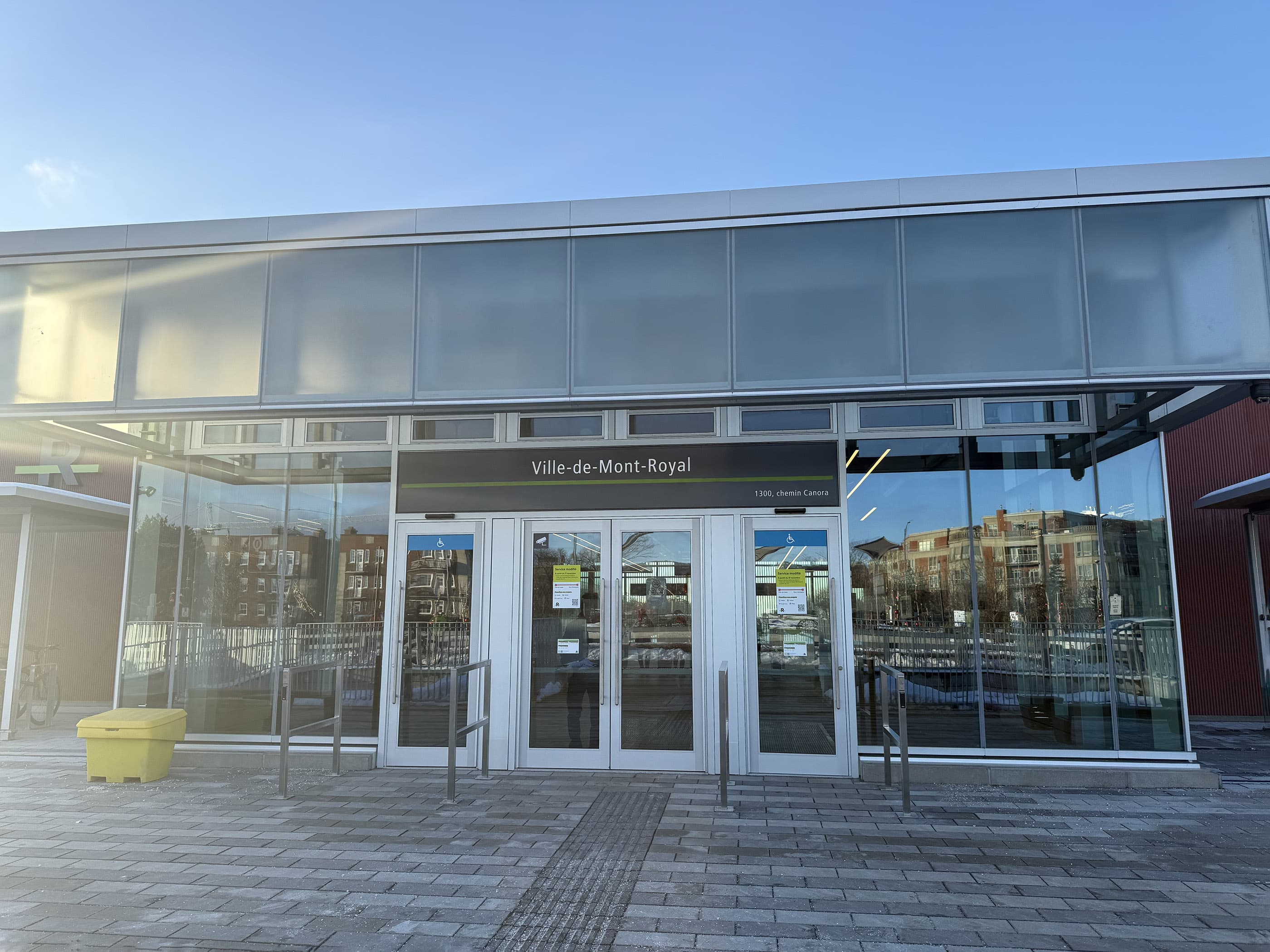
The “sweet spot”: where is the best added value in VMR?
To understand the REM’s impact, London researchers introduced the idea of a zone of influence. This concept applies perfectly to Ville Mont-Royal.
0 to 500 meters: high potential, but higher perceived risk
Being very close offers maximum accessibility—but also the highest perceived nuisances. This is where a broker’s role becomes essential: reassuring buyers and explaining that proximity to the REM does not typically create dramatic downsides. In this zone, documenting the real lived experience of being near the train will be key to building buyer confidence.
500 meters to 1.5 kilometers: the ideal zone
Within this radius, the added value tends to be:
• the most consistent• the most stable• the safest long term
It’s a 10 to 15 minute walk to the station, while still far enough to avoid most perceived nuisances.
In Ville Mont-Royal, this zone likely represents the perfect balance between quality of life and long-term real estate upside in the eyes of buyers. That said, it still needs to be proven in practice. It’s very possible that proximity to the REM will matter more than we currently expect.
The REM also reshapes urban planning: the rise of TOD
Beyond property values, the REM could also change the neighborhood’s layout and character. This follows the principle of Transit-Oriented Development (TOD): densifying and revitalizing areas around transit stations.
The 3 pillars of TOD: density, diversity, design
• Density: more housing and residential projects• Diversity: shops, services, offices, and cafés• Design: walkable, people-friendly planning that reduces car dependence
Examples already visible in Quebec
• In Laval, the arrival of the metro led to an average of 1.3 to 1.8 additional new constructions per zone within a one-kilometer radius• In Brossard, residential and commercial growth near the REM turned the area into a true urban hub
In Ville Mont-Royal, we can expect in the coming years:
• gradual densification around the station• new residential developments• an influx of young professionals and retirees looking to reduce car usage• a more diversified local commercial life
Mobility: fewer cars, faster commutes
The REM also has a direct impact on commuting habits. A survey conducted on the South Shore is revealing: 61% of new REM users had a parking spot at home. In other words, many were former drivers who switched.
In London, the two most frequently cited benefits are:
• reduced travel time• fewer transfers
This translates into daily time savings that are often significant.
Limitations and risks: a positive project, but not a perfect one
Like any major infrastructure project, the REM also comes with challenges.
A modal shift that isn’t always optimal
The BAPE report raised a concern: the REM may benefit existing public transit users more than it attracts drivers out of their cars.
Some situations, such as the Mascouche line, even show longer commute times due to required transfers.
Risk of gentrification and tax pressure
The arrival of new high-end developments can push up the average value of a neighborhood. The result:
• higher property taxes• increased pressure on fixed-income homeowners, especially retirees
This is a well-known challenge in many cities where rapid transit corridors have emerged.
Conclusion: great news for VMR, as long as the nuances are understood
Overall, the REM brings strong potential for higher property values, improved mobility, and urban renewal in Ville Mont-Royal. But the real impact will depend on:
• the exact distance between the property and the station• municipal decisions around zoning and planning• the ability to maintain a balance between development and quality of life
The REM can become a true driver of prosperity for VMR, but its final impact will depend on the choices made today.
In the long run, one question remains: what if the neighborhood’s value no longer came only from how quickly you can leave it, but from the new reasons you’ll have to stay?
Thinking about selling your property?
Our team can evaluate your property and support you at every step of the sale.
Related content

Selling a house in the Town of Mount Royal in 2026: the owner's strategic guide
Selling a house in the Town of Mount Royal isn't quite like selling anywhere else in Montréal.

Why TMR Market Requires Patience and Precision
The TMR market remains resilient: despite longer selling times, prices have remained stable due to the limited supply of available properties. In a more uncertain economic environment, buyers are taking more time to make decisions.
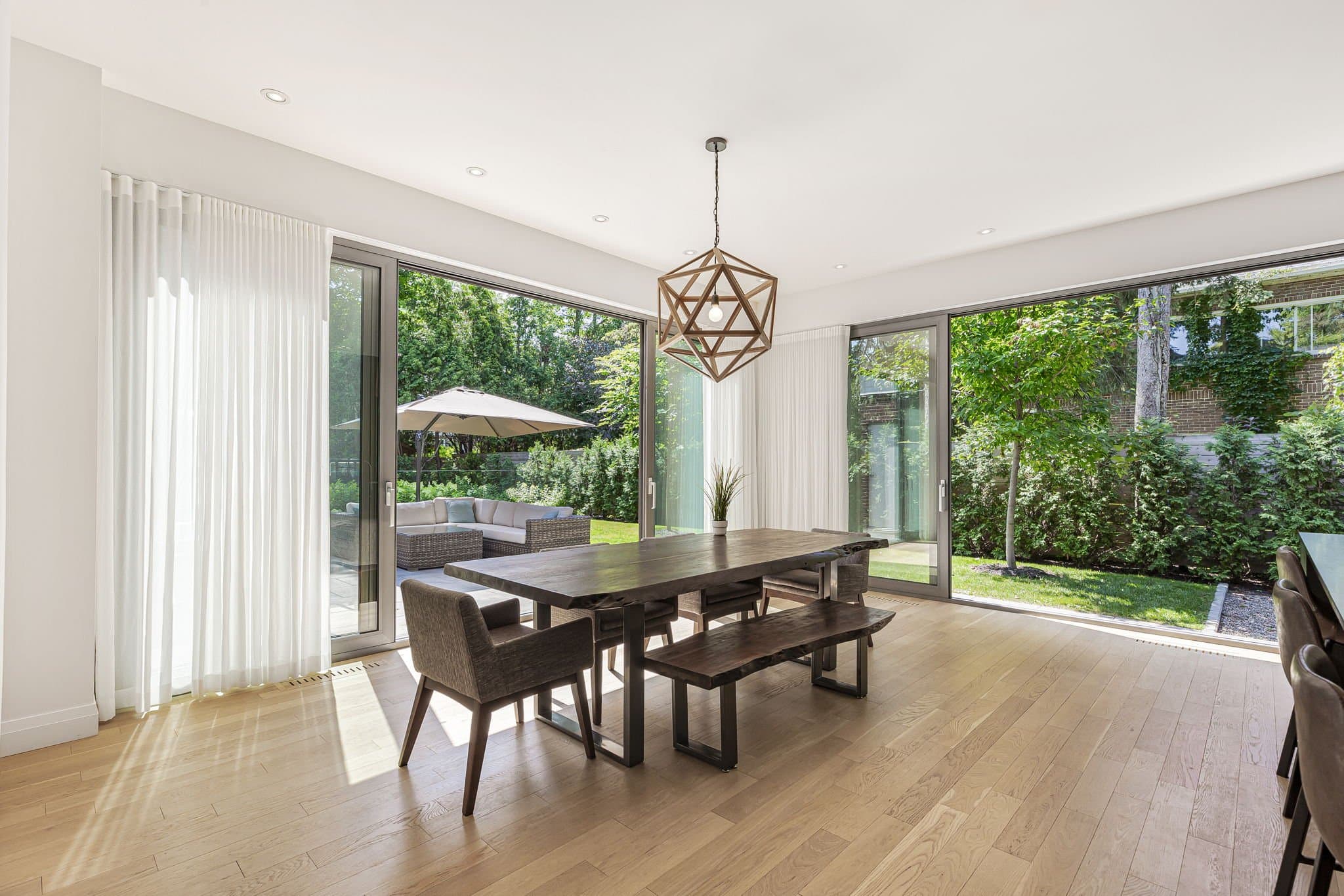
What distinguishes the properties that sell in TMR
In TMR, the best sales are rarely the most visible, but the best prepared. The 2026 data confirms that accurate positioning remains a key determinant.