
How to Prepare for Your First Real Estate Purchase in Quebec: A Practical Guide for First-Time Buyers
Complete Guide to a Successful First Real Estate Purchase in Quebec: Needs, Neighborhood, Budget, and Tips for First-Time Buyers
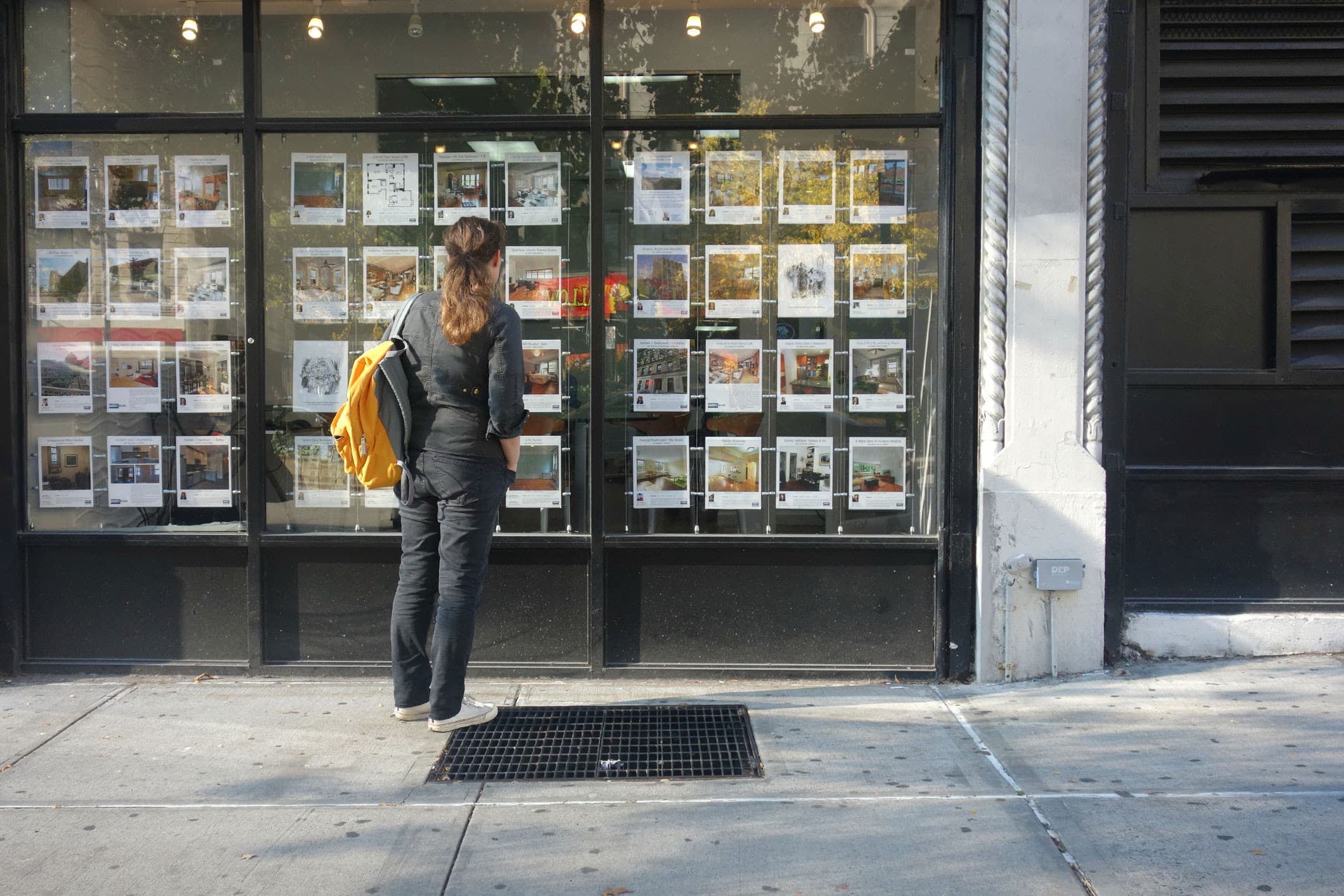
Starting the process of buying your first home is an exciting step, but it can also be stressful. It’s an adventure full of promise, yet the sheer volume of information and questions involved can quickly become overwhelming. We hope to think of everything—balancing practical needs, personal desires, and the immense financial responsibility ahead. In the face of the hope of finally settling into a place of your own, how can you be sure you're making a truly informed decision?
The success of such an investment relies on careful preparation. It’s not just about finding a home you like today, but about evaluating your current needs alongside those of the near future. By properly planning your time horizon that is, how long you intend to live in the property, you not only maximize the future return on your investment, but more importantly, ensure that your new home can grow with you and your life plans.
Here are three essential points to consider before starting your search on Centris;
- Living space
- The ideal location
- Costs to consider when calculating your financial budget
Keep in mind that the longer you live in your property, the greater your chances of a successful resale. It’s therefore essential to feel comfortable there, both now and for the years ahead. This article is designed to guide you step by step through this process.
Define Your Necessary Living Space
Before even thinking about wall colors or kitchen styles, the most fundamental step in your home search is to define the space you truly need. This analysis goes far beyond just the square footage or the number of bedrooms. It’s about translating your lifestyle, habits, and ambitions into a concrete layout plan. A well-thought-out space is the key to a home where you’ll feel fulfilled for years to come. To clarify this, we’ll break down the reflection into two parts: your immediate needs, shaped by your current lifestyle, and your future needs, based on your medium- and long-term plans.
You probably already have a good idea of your current needs. The exercise is to list them thoroughly so nothing is overlooked. But it’s also important to recognize that finding the perfect home often means making wise compromises to strike a reasonable balance between your dreams and the reality of the market. Take the time to answer these questions honestly, as they will form the core of your search criteria.

- How many people will live under this roof from day one? Does your professional life require a dedicated office space, preferably a separate room to ensure peace and focus when working from home?
- Do you often host family and friends? If so, what kind of space do you prefer for these gatherings? Is a large formal dining room your dream, or do you favor the cozy atmosphere of an open-concept kitchen with a large island? Or perhaps your priority is an outdoor area, like a patio or terrace, for summer barbecues?
- What are your hobbies? Do you engage in sports or activities that require dedicated space? A musician will need a soundproof room, an artist a bright studio, and an athlete a spot for a home gym. Storage is often the unsung hero of a functional home. Do you need a garage or a large shed to store your bikes, skis, winter tires, and tools?
- Where do you spend most of your time? Are you a passionate cook dreaming of a spacious kitchen with plenty of countertops and a walk-in pantry? Or do you prefer a large, cozy living room for movie nights, emphasizing a relaxing space?
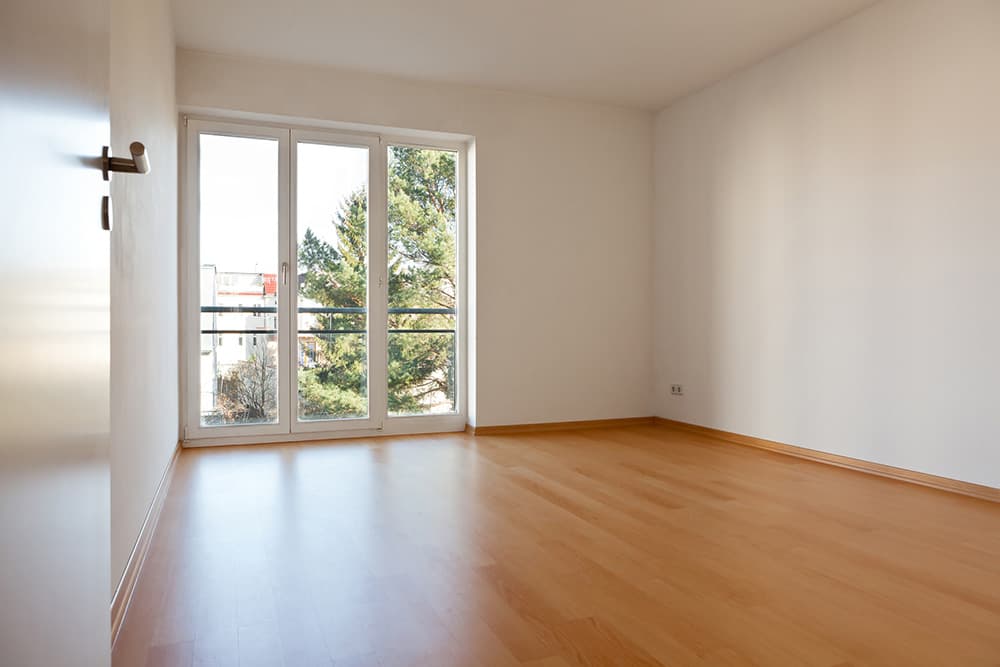
A first real estate purchase is rarely an investment for just one year. The ideal property should not only meet your current needs but also have the potential to adapt to the next stages of your life.
- Do you plan to move in with your partner in the short term? Are you thinking about starting or growing your family within the next 3 to 5 years? Anticipating this need doesn’t necessarily mean buying a house that’s too large today, but perhaps aiming for a property with an extra room that can serve as an office for now and later become a child’s bedroom.
- Could your career path change your needs? If you work from home, even part-time, a dedicated office space is more than a luxury, it’s a necessity for maintaining a healthy balance. Is your spot at the kitchen table enough, or is a separate room essential to ensure privacy for your calls and focus?
- Life holds surprises. Without making it an immediate plan, is it possible to consider that one day you might welcome an aging parent? A property with a bedroom and bathroom on the main floor, or a basement with potential for a rental unit, could then become an invaluable asset.
Finally, consider that flexibility in the layout can be a very valuable asset. A smaller home with a smart design can be far more functional than a large but poorly planned one. The "hidden" potential of a property is a major advantage. An unfinished basement, a large attic, or even a spacious garage are blank canvases. You could add a bedroom, a playroom, a gym, or that dream workshop in the future, thereby increasing both the value and functionality of your home without having to move.
The Perfect Location: More Than Just About the Neighborhood
A house may look perfect on paper, but if it’s poorly located, it may never truly become your “home.” Location is much more than a point on a map: it influences your daily quality of life, the long-term value of your investment, and the sense of belonging you’ll develop toward your neighborhood. In real estate, location is key, but the ideal location isn’t universal; it’s deeply personal. Your lifestyle, priorities, and future plans should guide this reflection. Are you an active person who thrives on the city’s rhythm? Or are you seeking a peaceful retreat to enjoy your free time in tranquility? There’s no wrong answer, only yours.
Let’s start with the essentials. If you use public transit daily, aim for a property located within 500 meters of a metro station or a high-frequency bus stop. This simple but strategic criterion can turn your commute into a significant gain in time and comfort. Similarly, for those without a car or looking to reduce their dependence on one, walking distance to essential services is a key factor. Ideally, you should be able to reach a grocery store, pharmacy, or supermarket within a few blocks on foot.
Beyond amenities, the immediate environment has a huge impact on your well-being. Do you want to live in a quiet, almost village-like neighborhood, or in a vibrant area with nightlife, bars, restaurants, and shops open late? It’s crucial to assess whether the neighborhood’s atmosphere matches your lifestyle, both now and in the future.

To help you, here’s a list of services and infrastructure to consider in your search area. Use it to compare the neighborhoods that interest you:
- Family and Education: Daycares (CPEs), elementary and secondary schools, CEGEPs, universities.
- Recreation and Outdoors: Parks, trails, green spaces, bike paths, and recreation centers
- Neighborhood Life: Busy shopping streets, independent cafés, restaurants, bars, and microbreweries.
- Connectivity: Access to high-speed internet or fiber optic, a must-have for remote work.
- Professional Services: Coworking spaces and other third places.
- Health: Proximity to a CLSC, medical clinics, or hospitals.
- Mobility: Quick access to a highway, BIXI bike stations, and Communauto car-sharing zones.
- Inclusive Infrastructure: Accessible sidewalks, adapted businesses, and more.
Several platforms like Centris allow you to filter your searches according to these criteria (proximity to schools, parks, shops, etc.), but no algorithm can ever replace a real visit on site. Take the time to walk around the neighborhoods that interest you, at different times of day and week. Is there traffic in the morning? Is the neighborhood noisy in the evening? Are the streets lively or deserted on weekends? These details, often invisible online, shape your actual quality of life. Choosing the right location means investing in an environment that supports you, houses can always be renovated, but neighborhoods aren’t so easily changed.
Mastering Your Budget: What to Consider Beyond the Sale Price and Mortgage Rate
Before falling in love with a property, it’s important to know what you can truly afford. Several financial factors, before, during, and after the purchase, need to be considered when calculating your buying power. Buying real estate means stepping into a complex financial ecosystem that goes far beyond the purchase price. Careful preparation is your best ally to ensure the viability and profitability of this investment.

Unlike a fixed rent, becoming a homeowner involves a series of unavoidable recurring costs: Principal, Interest, Taxes, and Insurance. Principal and interest make up your mortgage payments, they include the repayment of the loan amount, the principal, and the interest paid to your financial institution. Property taxes are one of the main sources of revenue for the city and are mandatory. The amount is calculated based on the assessed value of the property and a set tax rate, making it an annual expense.
Next, you need to factor in home insurance, which is required by your lender, no mortgage funds will be released without proof of active coverage. It also protects your property against various risks. The cost of insurance varies depending on the location, the condition of the building, and the coverage options you choose.
After accounting for the mandatory costs, people often overlook maintenance and repair expenses but it’s just as important to plan for them seriously. You should gather information about the condition and age of the property, as well as any recent renovations, to estimate what might soon require upgrades. It’s wise to assess the overall state of the home, including plumbing, heating, electrical systems, insulation, the roof, and the condition of windows and doors... To prepare realistically, you can follow a guideline recommended by financial experts: set aside 1 to 2% of the home's value annually for these more or less predictable expenses. If you choose to buy a condo, you'll have to pay monthly condo fees, which help cover potential major repairs in shared areas.
Once these recurring costs are understood, you'll face major financial decisions, starting with the down payment, which is the cornerstone of your buying power. The amount of your down payment is a key decision. With a down payment under 20%, you may be able to purchase more quickly and keep some liquidity. However, you’ll be required to take out mortgage loan insurance. The premium will be added to your total mortgage, meaning you’ll pay interest on it over the life of the loan, as well as a 9% provincial tax (TVQ). If your down payment is 20% or more, you’re exempt from mortgage loan insurance and the associated tax. Your monthly payments will be lower, and you’ll have a stronger financial cushion to protect you against market fluctuations.
Don’t forget to factor in hidden expenses such as heating, electricity, internet, and regular maintenance but most importantly, your holding period. For a purchase to be financially worthwhile, you need to keep the property long enough for the increase in value and the repaid principal to outweigh the transaction costs. This includes notary fees, the welcome tax, inspection fees, and more. This break-even point is often estimated at between 5 and 7 years. Selling before that window can expose you to financial loss, even if your selling price is higher than your purchase price. A successful real estate purchase starts with an honest, thorough, and realistic budget.
Conclusion
The better you understand these financial mechanics before you begin your visits, the more confident and successful your journey will be. By the end of this process, we hope the path to your first property now feels a little less intimidating. You’ve learned that the quest for the ideal “home” is built on the balance of three fundamental and interconnected pillars. First, defining your essential living space: the introspective step where you shape a home that serves your present while anticipating your future. Then, anchoring that space in a location that enhances your daily life, a neighborhood whose atmosphere and services reflect who you are. Finally, mastering your budget, the rational pillar that ensures the security and sustainability of your investment. Armed with this knowledge, you're ready to turn that big dream into a beautiful reality. Wishing you all the best on your journey to your first set of keys!
Planning a real estate purchase in Montreal?
Our team can help you find the property that matches your project.
Related content
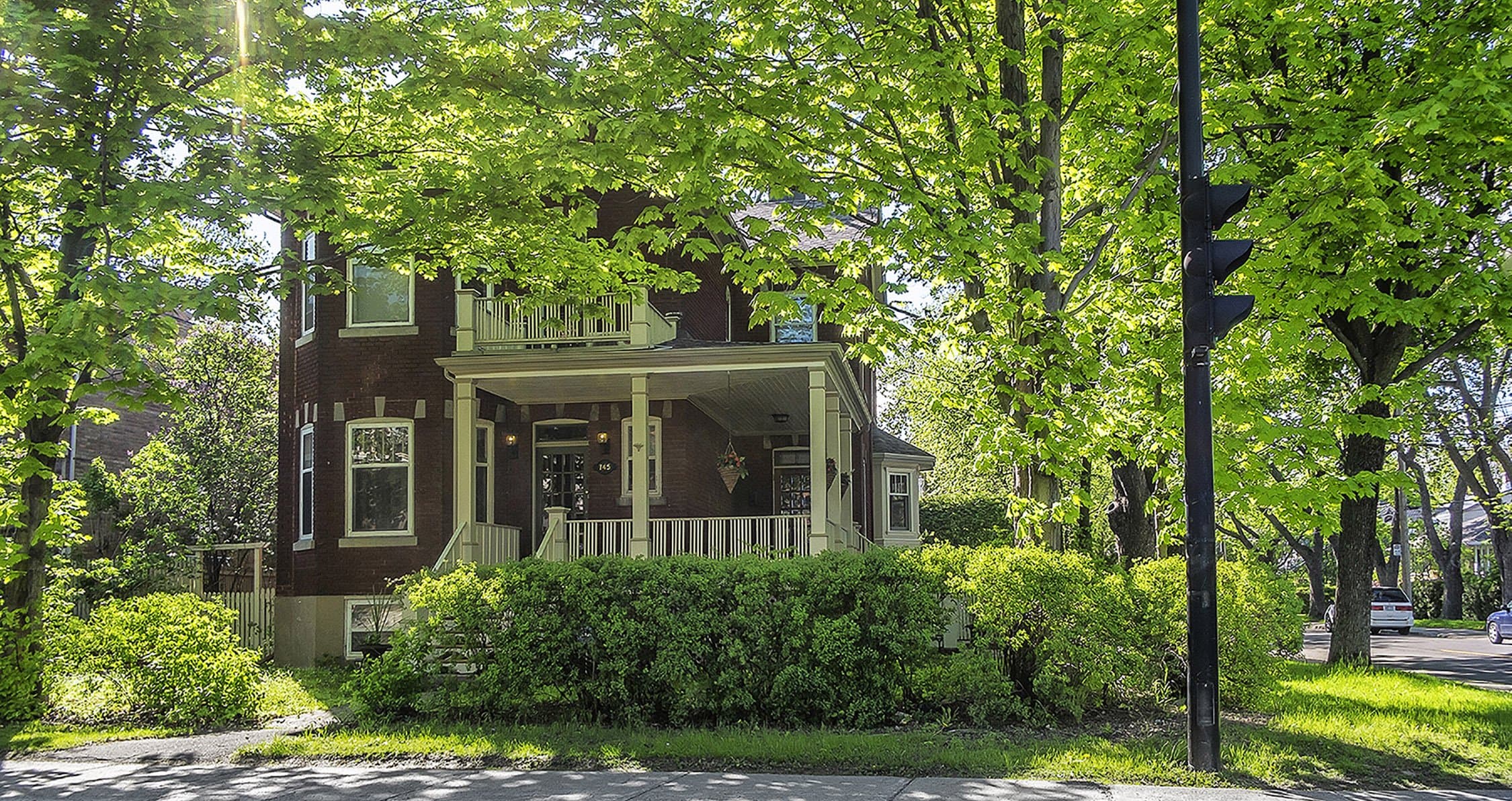
Why Ahuntsic Remains One of the Most Consistent Areas to Settle Down Long Term
In a Montreal where densification is accelerating, Ahuntsic retains a rare residential stability. For a long-term plan, this consistency becomes a genuine strategic advantage.
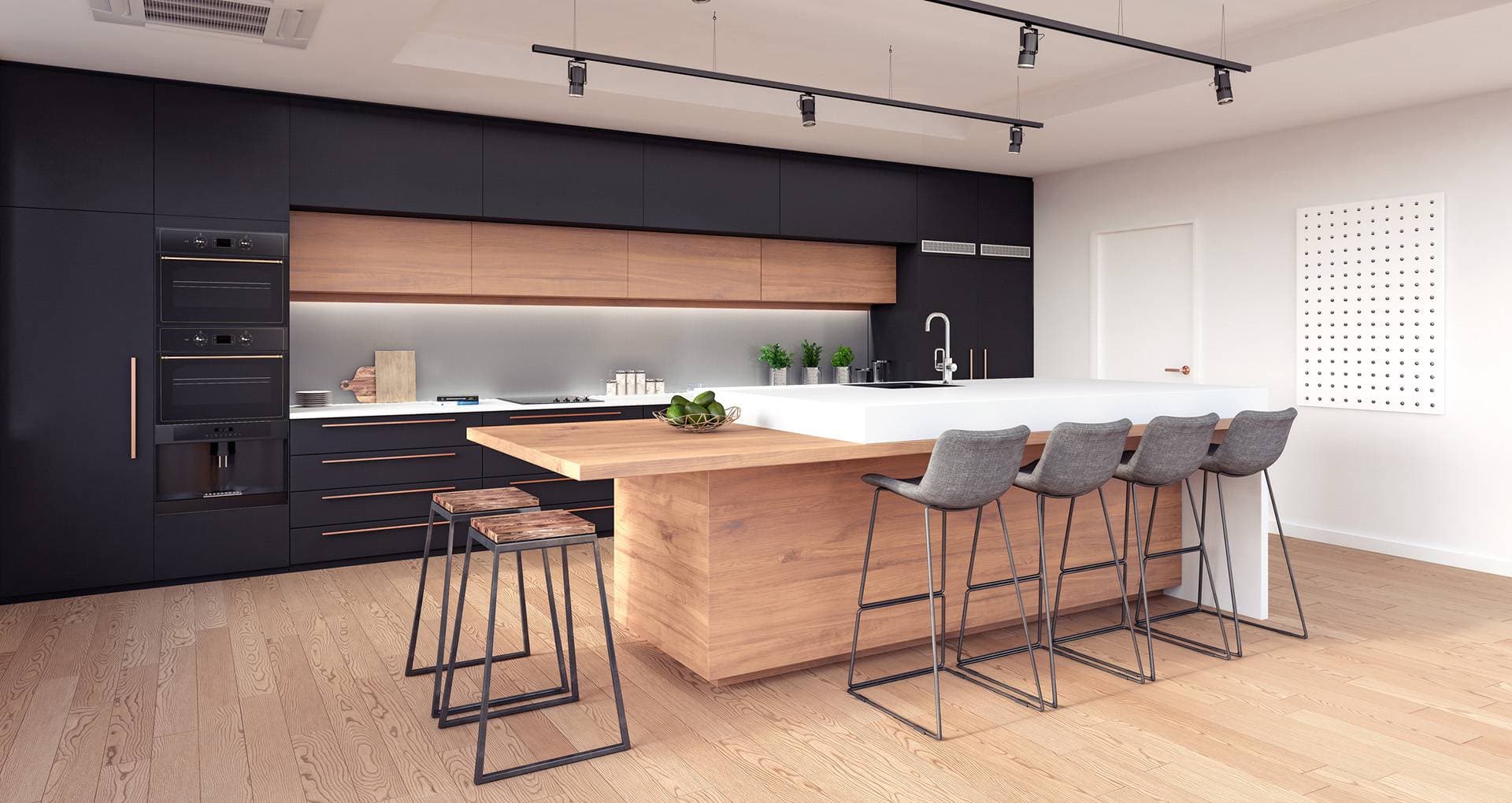
2026 Kitchens: Craftsmanship, Sustainability, and Technology
In 2026, the kitchen becomes more vibrant: a return to authentic materials, organic colors, discreet technology, multifunctional spaces built around a large island, sustainability, and scenographic lighting.

Buying a Condo in Montreal Now: 3 Neighbourhoods of Opportunity (Griffintown, LaSalle, Nuns’ Island)
Montreal’s condo market is rebalancing: more listings, less pressure. Where and how to negotiate smartly (Griffintown, LaSalle, Nuns’ Island) using comparables, DOM and concessions.