
Going green in Ahuntsic: what impact on your property value… and your taxes?
Ahuntsic's green shift is improving quality of life through bike paths, trees and safer spaces. The result: property values are climbing… but so are property taxes, a direct reflection of this new appeal.
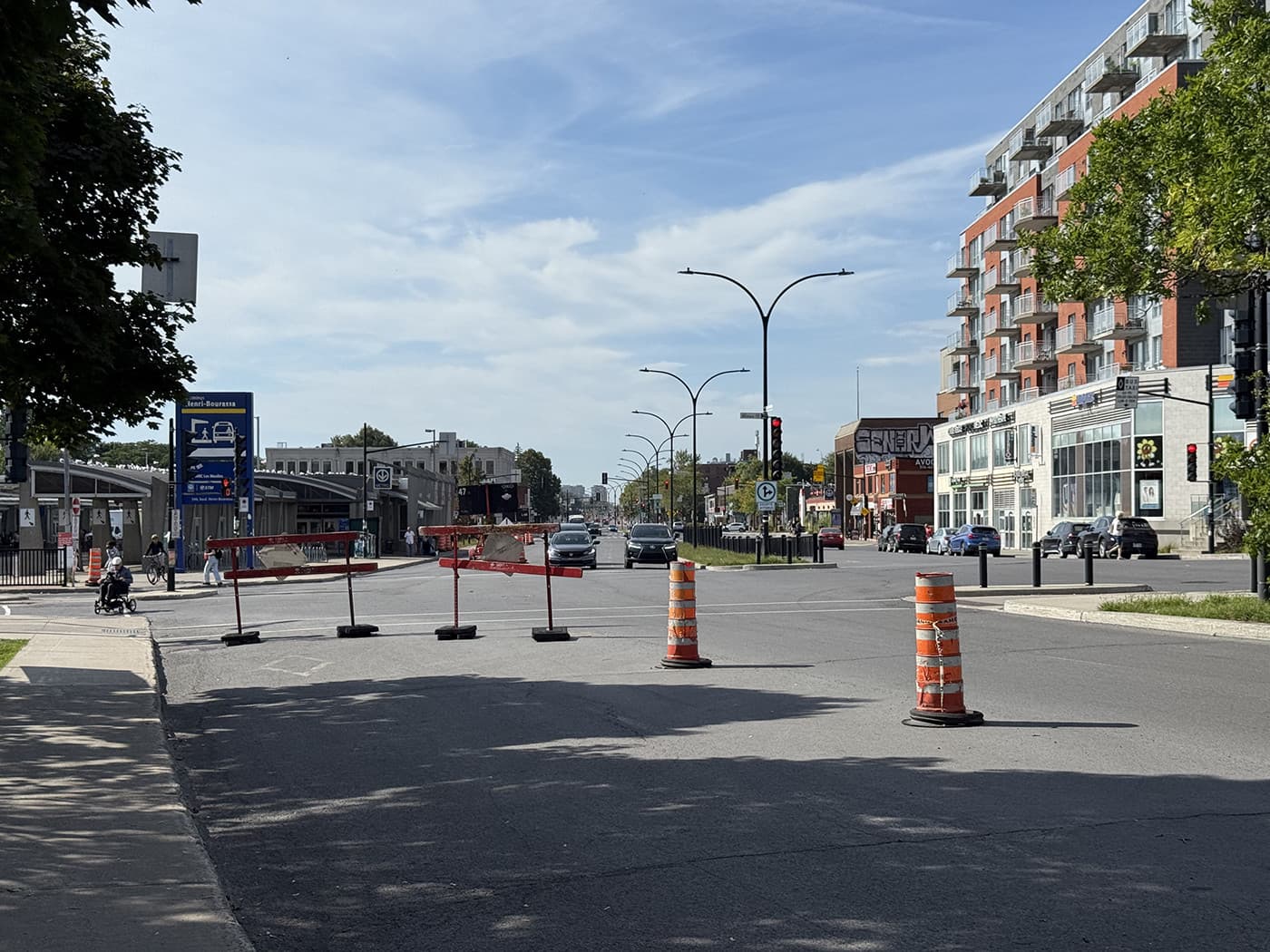
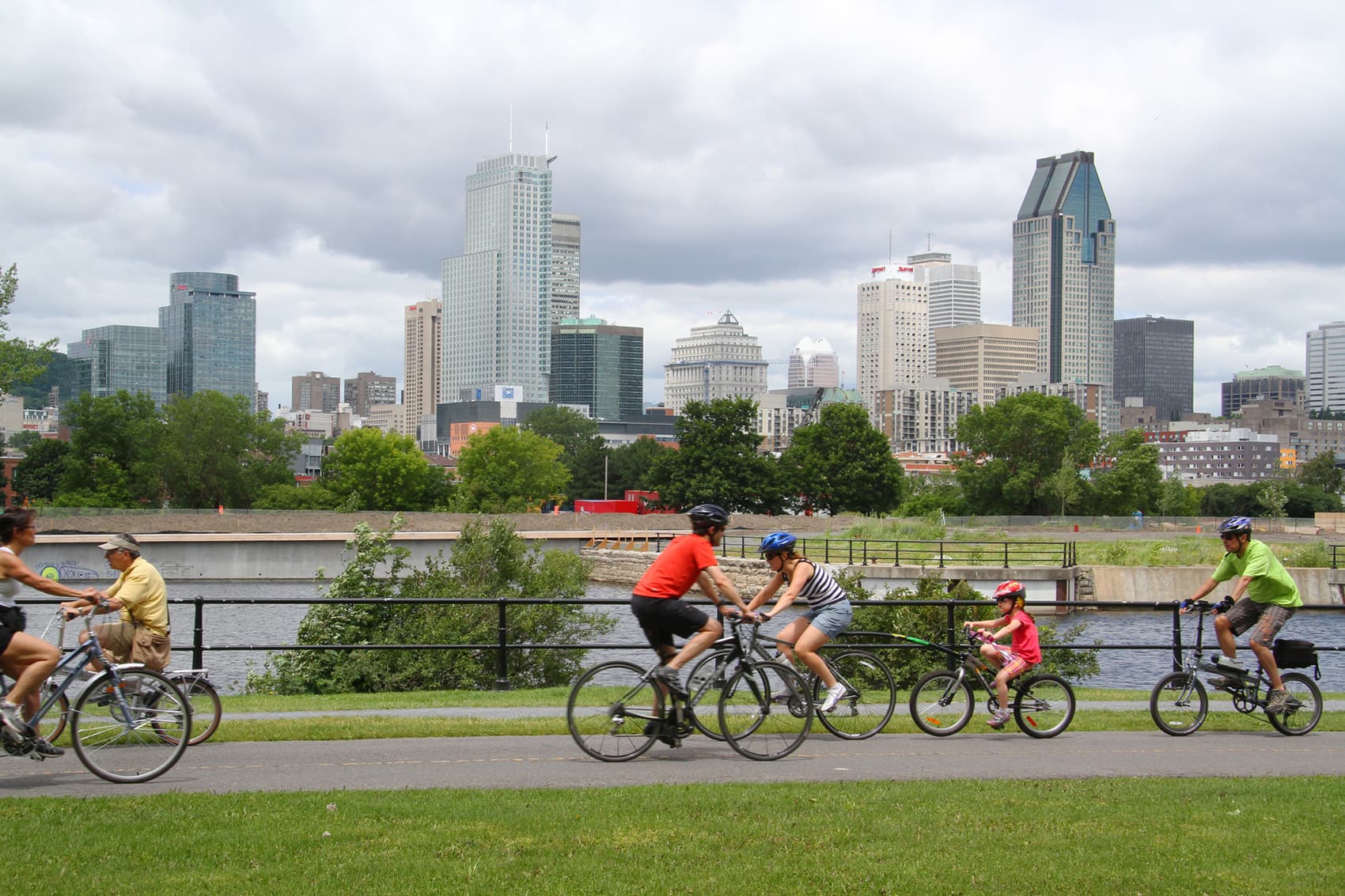
The borough of Ahuntsic-Cartierville is undergoing a major transformation. Its goal: improve its residents' quality of life by investing in sustainable infrastructure. The strategy is to create a protected cycling network that works in every season and to beautify public space.
The expected benefits are many:
- a reduction in greenhouse gas emissions,
- better physical and mental health,
- less traffic congestion,
- and, ultimately, a safer neighbourhood that encourages active transportation.
Adding green features generates concrete benefits. These projects increase the neighbourhood's appeal and create added real estate value. However, this capital gain is inevitably captured by the municipal tax system.
In other words, the value of your property rises… but so do your property taxes.
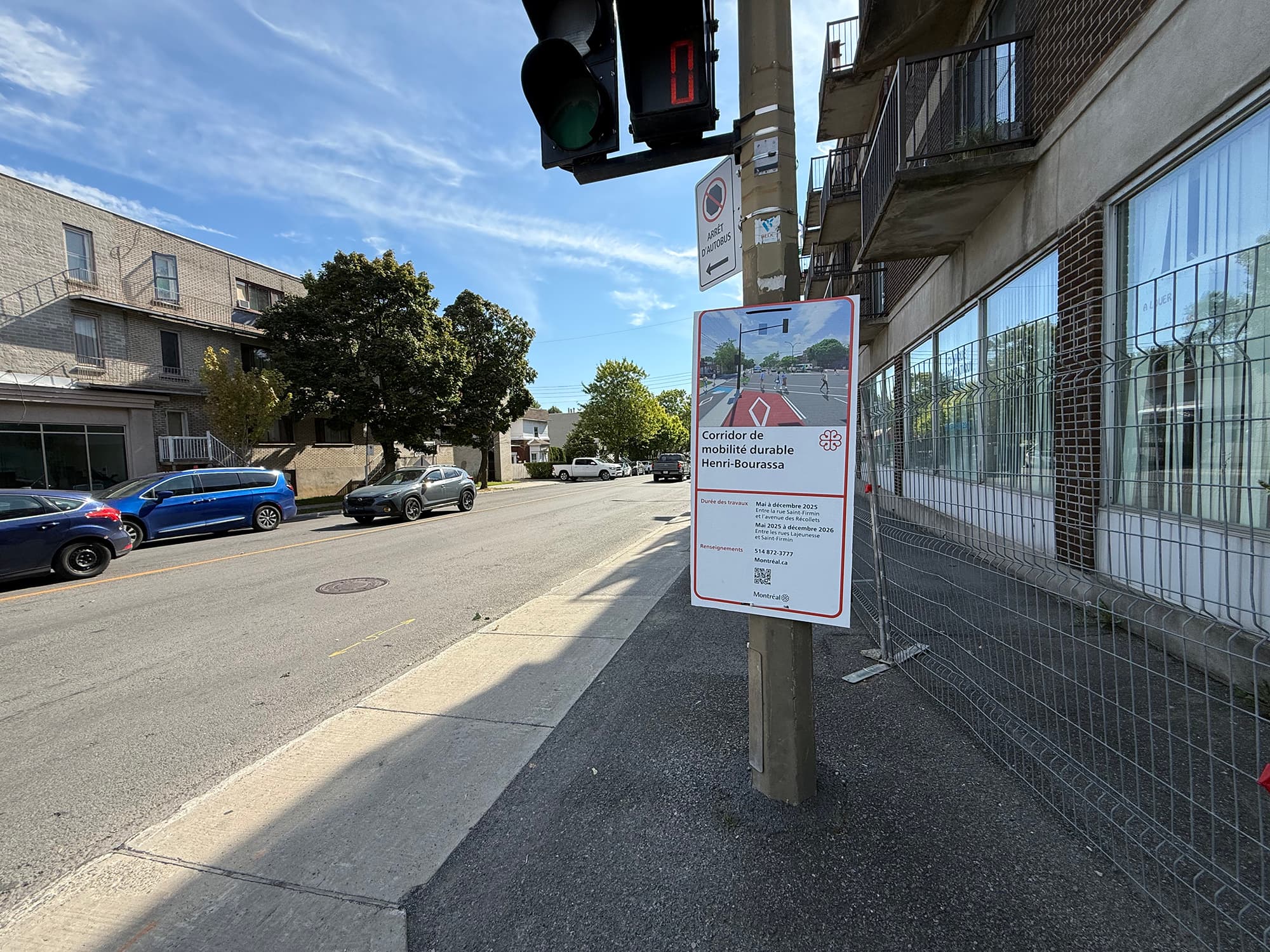
Greening: when property values grow with the trees
Major changes
- Ongoing extension and securing of the borough's cycling network
- Reconstruction and installation of more than 100 curb extensions
- Lower speed limits on local streets
- Addition of more than 700 bicycle parking spaces
- Installation of 8 additional BIXI bike-share stations
- Extension of the “white network” with 42 km of snow-cleared bike lanes
- Greater, faster access to the shops of Promenade Fleury, Fleury Ouest and rue Lajeunesse
- Planting of about 1,300 trees per year
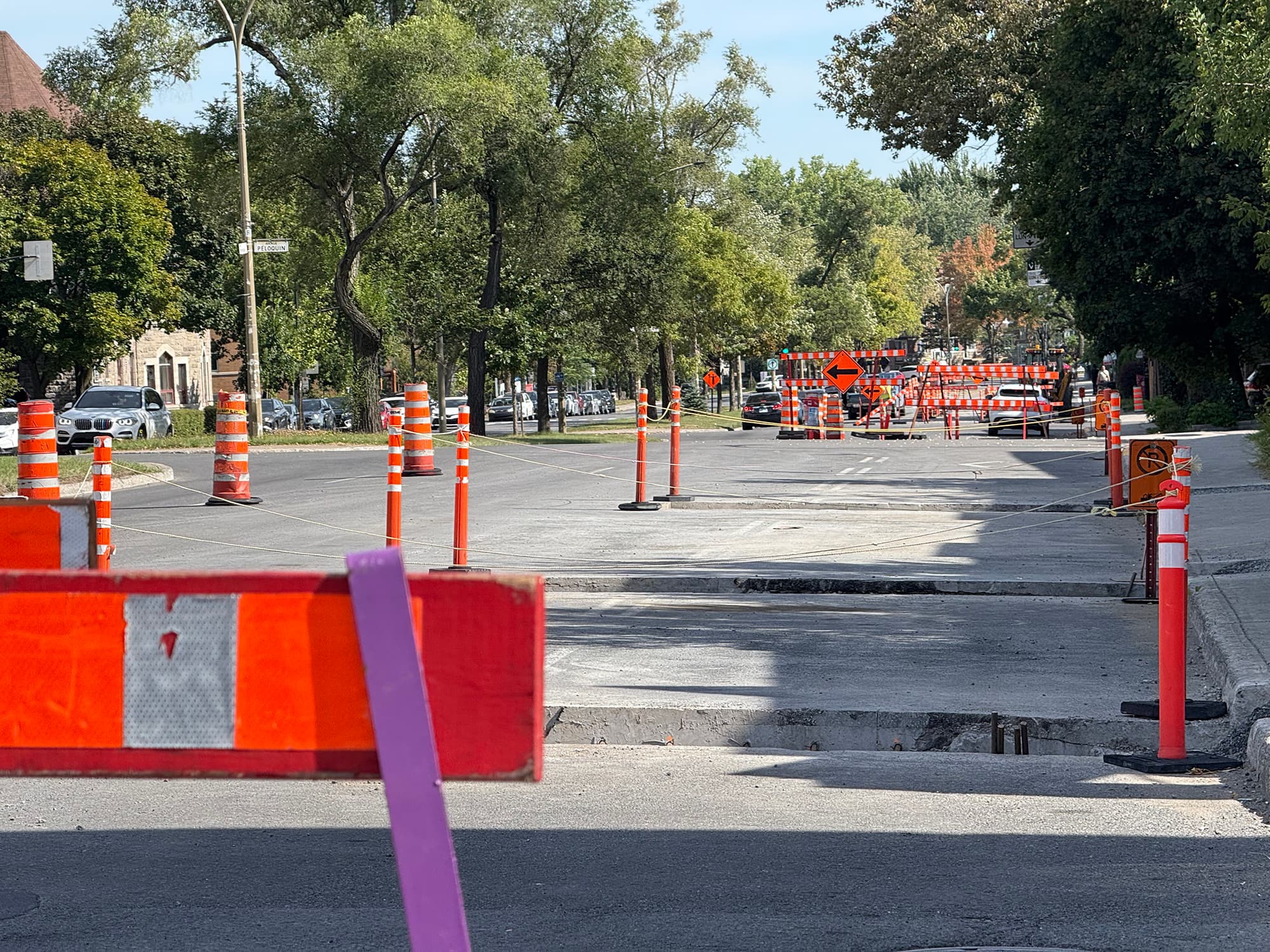
- Rehabilitation of water and sewer pipes
- Development of rapid bus service
- Express bike network (REV) on boulevard Henri-Bourassa
- Installation of cyclist signals and bus priority signals
Ahuntsic's green shift offers considerable new advantages that make it a neighbourhood of choice where life is good.
The real estate market now factors environmental quality into property values, turning these improvements into genuinely quantifiable assets.
For example, lower traffic speeds, added curb extensions and protected bike lanes make the neighbourhood much safer, a major criterion for families with young children.
What's more, large-scale tree planting not only beautifies the neighbourhood but also improves ecosystem services such as:
- cooling,
- air quality,
- water retention.
According to the Food and Agriculture Organization of the United Nations (FAO), “simply planting trees can increase property values by nearly 20%”. , Thus, a condo bought for $400,000 in 2020 and reassessed at $480,000 in 2025 could see its bill rise by several hundred dollars a year.
International examples
- New York – High Line:
The transformation of a former railway line into a green promenade led to an immediate 10% increase in the value of homes located within 0.8 km. Over the following decade (2009 to 2019), the increase in value reached up to 35%.
- Atlanta – BeltLine:A 35 km network of greenways, parks and sustainable corridors made it possible to add 10 public parks and create a trail for pedestrians and cyclists. The result: the value of nearby homes appreciated 18% to 27% more than in the rest of the city.
We can conclude that, despite being smaller in scale than these megaprojects, Ahuntsic is heading toward a future in which it will be recognized for its sustainable development and quality of life.
A study conducted by McGill confirms this trend, with additional appreciation of +2.7% for properties located near BIXI stations.
From added value to taxation
The increase in your tax bill is not an arbitrary decision, but a mechanical consequence of the tax system. The system is designed to faithfully reflect the value of the real estate market, and each property's municipal assessment is established based on recent sales data.
The calculation rests on three principles
- The value of the land is assessed based on the sale prices of comparable vacant lots.
- The value of the immovable is assessed based on sales of similar properties.
- The value of the building corresponds to the value of the immovable minus the value of the land.
The sum of the land and building values serves as the basis for calculating municipal and school taxes.
So when a neighbourhood's appeal increases and properties there sell for more, these transactions set a new benchmark value for the entire area. The result: an inevitable increase in property taxes.
Conclusion
Ahuntsic's green shift is excellent news for residents' quality of life and the value of their real estate assets.
The neighbourhood is aligning with the ecological values and active lifestyle sought by more and more Montrealers.
But be aware: this increased desirability comes at a price: higher municipal assessments and municipal taxes.
The real question, then, is no longer whether the neighbourhood will become more attractive, but how its current residents will navigate this new economic reality.
Planning a real estate purchase in Montreal?
Our team can help you find the property that matches your project.
Related content
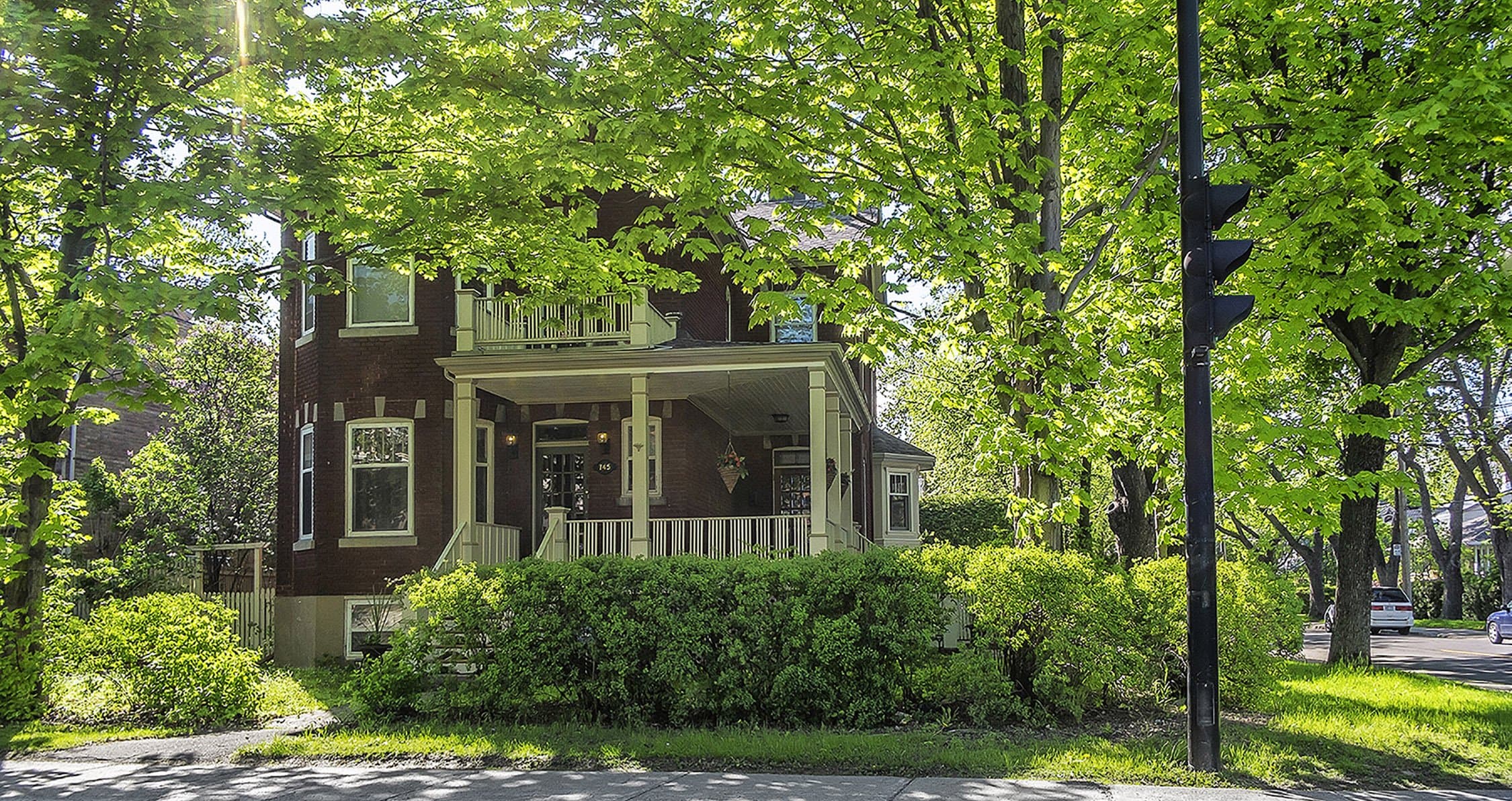
Why Ahuntsic Remains One of the Most Consistent Areas to Settle Down Long Term
In a Montreal where densification is accelerating, Ahuntsic retains a rare residential stability. For a long-term plan, this consistency becomes a genuine strategic advantage.
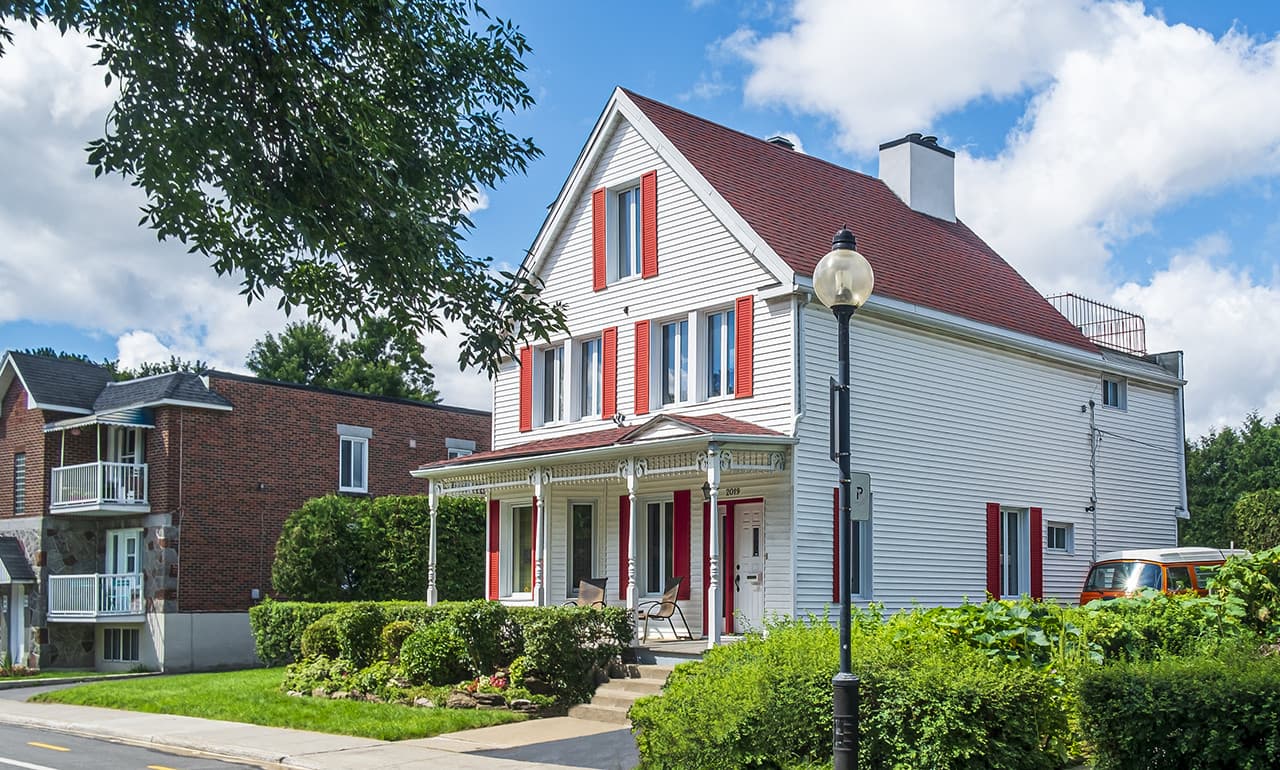
Where Do Ahuntsic’s Single-Family Home Buyers Come From?
Ahuntsic’s buyers come mainly from the neighbourhood itself, from neighbouring central areas such as Villeray, Rosemont and the Plateau, and from the North Shore. The market is primarily local, family-oriented and little influenced by international buyers.

Condos: Ahuntsic Holds Up While Montreal Catches Its Breath
While Montreal’s condo market is slowing, Ahuntsic continues to show resilience, with rising prices and demand that is absorbing the additional supply.