
What distinguishes the properties that sell in TMR
In TMR, the best sales are rarely the most visible, but the best prepared. The 2026 data confirms that accurate positioning remains a key determinant.
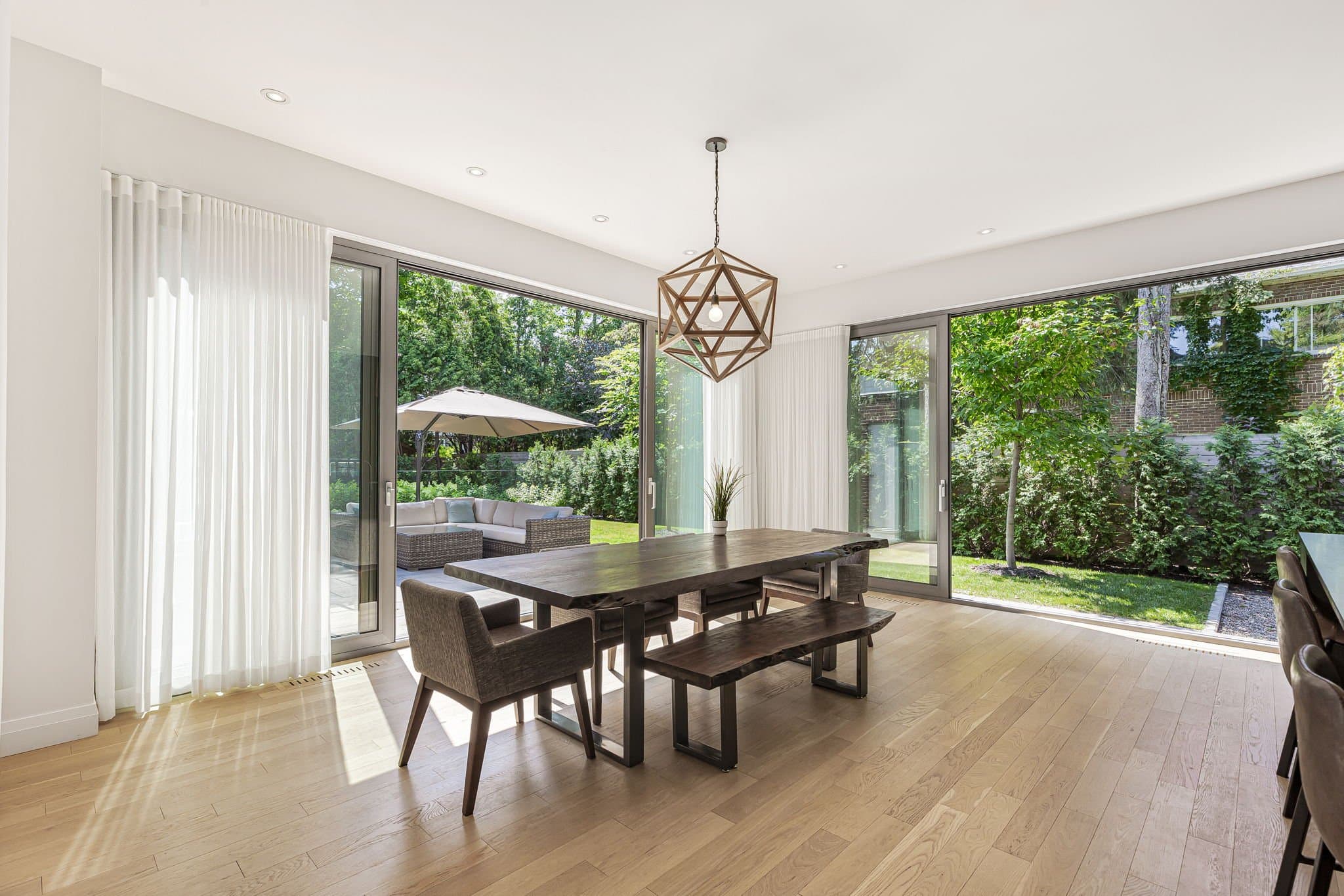
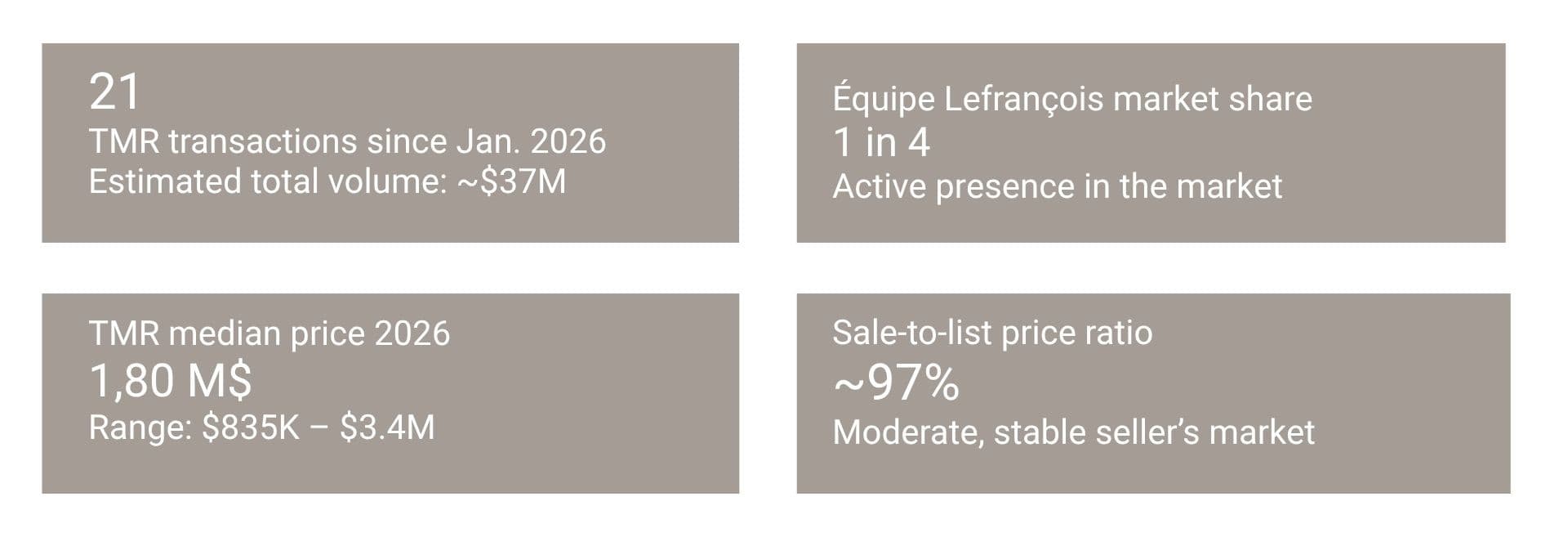
TMR averages fewer than 150 residential transactions per year. Since January 2026, there have been 21. Being involved in nearly a quarter of TMR transactions since the start of 2026, we’re able to observe nuances that broader analyses often miss. Here’s what recent transactions reveal.
Land outweighs living area
This is the most counterintuitive takeaway from the data so far this year.
Take two properties sold in TMR in 2026. One has 1,270 sq. ft. of living space, the other 3,721 sq. ft. Instinctively, we assume the larger house is worth more. And that’s true, but not for the reasons we might think.
A property sold in the west sector with 3,721 sq. ft. of living space on an 11,888 sq. ft. lot reached $3.395M. That price is not explained by the built area. It’s driven by the land: nearly three times the typical TMR lot size. In a market where the standard lot ranges around 4,200–4,700 sq. ft., a lot of that size is an absolute rarity.
The average lot size for 2026 transactions in TMR falls between 4,200 and 4,700 sq. ft., that’s the norm. Anything above it commands a premium, and that premium is often underestimated in standard valuations.
The practical takeaway: if your lot stands out (larger, better oriented, with an exceptional yard), that’s where a significant portion of your price is determined, not in a renovated kitchen.
Documented turnkey properties sell better and faster
TMR buyers in 2026 are not looking for a project. They’re looking for a sound asset.
What sets apart the properties that sold quickly in our recent transactions is the ability to clearly document what has been done: French drain, new roof, window replacements, electrical upgrades, heated floors. Not just “renovated kitchen,” but when it was done, by whom, and with what materials. Even when documentation is incomplete, reconstructing the history of the work and presenting it coherently is often enough to build buyer confidence, and that confidence directly impacts both the speed and terms of the sale.
The typical buyer in this segment is already managing a complex portfolio. They don’t want to discover surprises after signing. A property that tells its maintenance story transparently reduces their anxiety, and their inclination to negotiate downward.
Before going to market: build a renovation file. Invoices, contractors, dates, warranties. This file has direct financial value, it reduces friction at purchase and helps justify the asking price
Character as a decision factor in TMR
67% of TMR transactions since January 2026 involve properties built before 1950. This is not an anomaly, it’s the structure of the market.
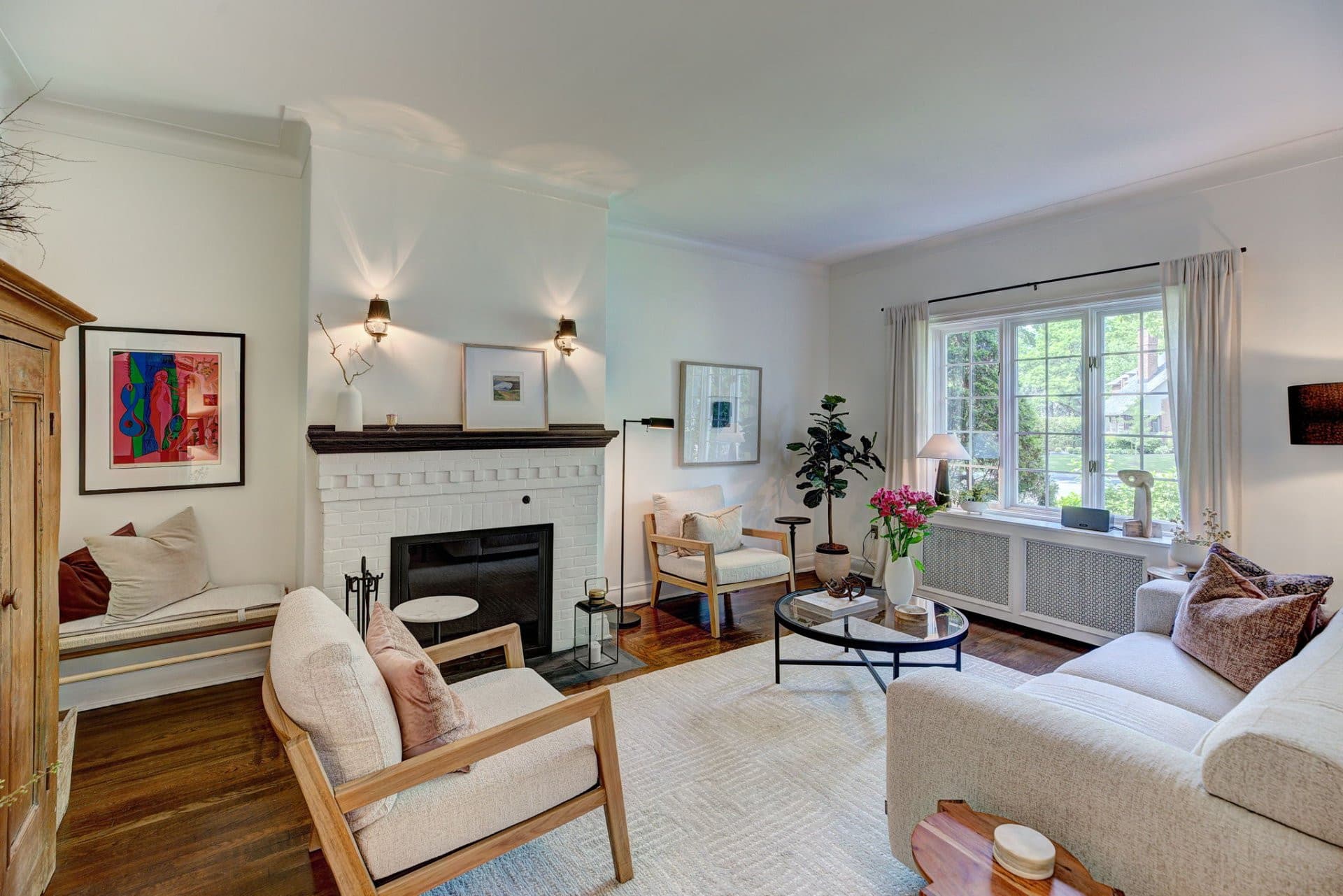
TMR is not a new construction market. It’s a market of historic housing stock: brick homes from the 1920s to the 1960s, with their inherent character. Buyers who choose TMR know what they’re looking for. Period charm is not a marketing cliché, it’s a real value driver. In practical terms, renovations that preserve original character (woodwork, hardwood floors, room proportions) tend to sell better than those that erase it.
Micro-location carries pricing value, not just lifestyle value
Saint-Clément. Carlyle. These two names appear in nearly all of our 2026 listings, not out of habit, but because they are primary selection criteria for the typical TMR family buyer.
What the data shows: the same property, whether it’s three streets from Saint-Clément or a ten-minute walk away, does not appeal to the same buyer and does not command the same price. In TMR, micro-location is often the determining factor.
The REM is now part of that equation. It consistently appears as a selling point in listing descriptions and is attracting a new buyer profile: professionals working in other parts of the metropolitan area who can now consider TMR without compromising on accessibility.
An expansion of the buyer pool puts upward pressure on prices. Properties well positioned near REM stations are already benefiting from this in 2026.
The yard is not an extra it’s a component of the price
Buyers who choose TMR could live in a downtown condo. They don’t. What they’re looking for is an outdoor space that feels like an escape.
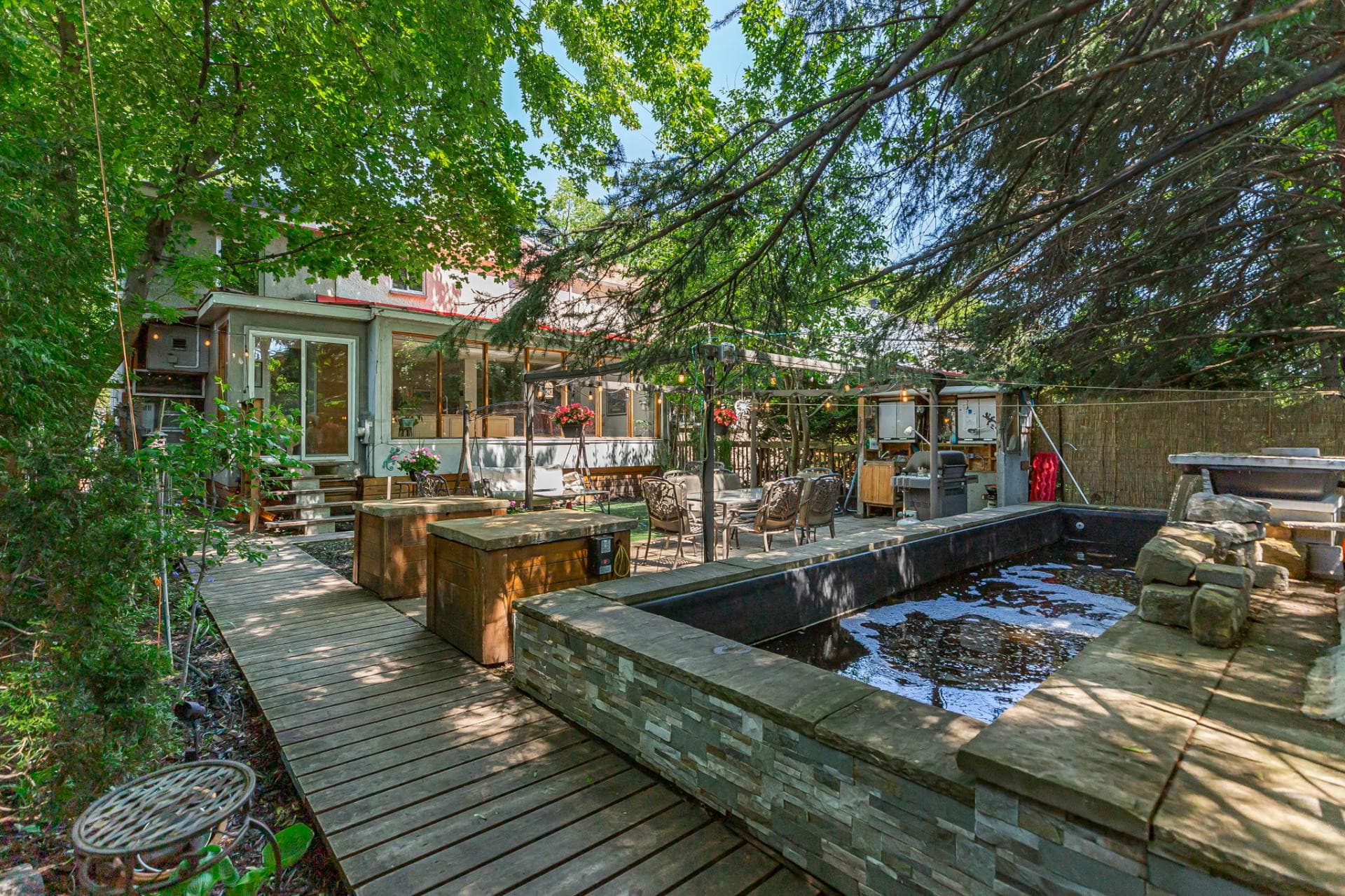
In our transactions so far this year, properties whose yards are described as private, peaceful, or west-facing clearly stand out. In-ground pools, landscaped terraces, outdoor kitchens, these are not extras in the $1.3M–$2.2M segment. They are part of the buyer’s criteria before they even step into a showing.
What’s less intuitive: a neglected yard in this market is not neutral. It signals a gap between what the buyer expects and what they see, and that gap gets negotiated downward.
What creates friction and why
Properties that take longer to sell tend to share a few common characteristics in our market.
- Undocumented work. Not visible, acknowledged renovations, but the impression that something has been minimized. In a social network as dense as TMR, that perception spreads quickly. A well-structured presentation can often reframe the work, even with partial documentation. This is often where proper guidance makes a real difference, turning uncertainty into reassurance for the buyer.
- Underdeveloped outdoor space. When the yard is neglected in a market where buyers are partly paying for that space, the property becomes objectively less competitive, even if the interior is flawless.
- Marketing without a narrative. A listing description without personality attracts curiosity. A listing that situates the property within the lifestyle it offers attracts buyers. The difference shows up in days on market and in the quality of offers received.
What this says about the TMR market in 2026
TMR is not a high-volume market. It’s a market driven by the quality of matching, finding the right property for the right buyer at the right time. Across 21 transactions since January, the median sale price reached 97% of the asking price. This is not a market of widespread overbidding. It’s a market where precise positioning, price, presentation, and network, makes all the difference.
The difference between a good sale and an exceptional one in TMR doesn’t happen at the moment of listing, it happens in the decisions made beforehand. If you’re in the early stages of thinking about selling, or simply want to validate a few elements without pressure, a conversation upfront can often make all the difference
Thinking about selling your property?
Our team can evaluate your property and support you at every step of the sale.
Related content

Selling a house in the Town of Mount Royal in 2026: the owner's strategic guide
Selling a house in the Town of Mount Royal isn't quite like selling anywhere else in Montréal.
Why TMR Market Requires Patience and Precision
The TMR market remains resilient: despite longer selling times, prices have remained stable due to the limited supply of available properties. In a more uncertain economic environment, buyers are taking more time to make decisions.
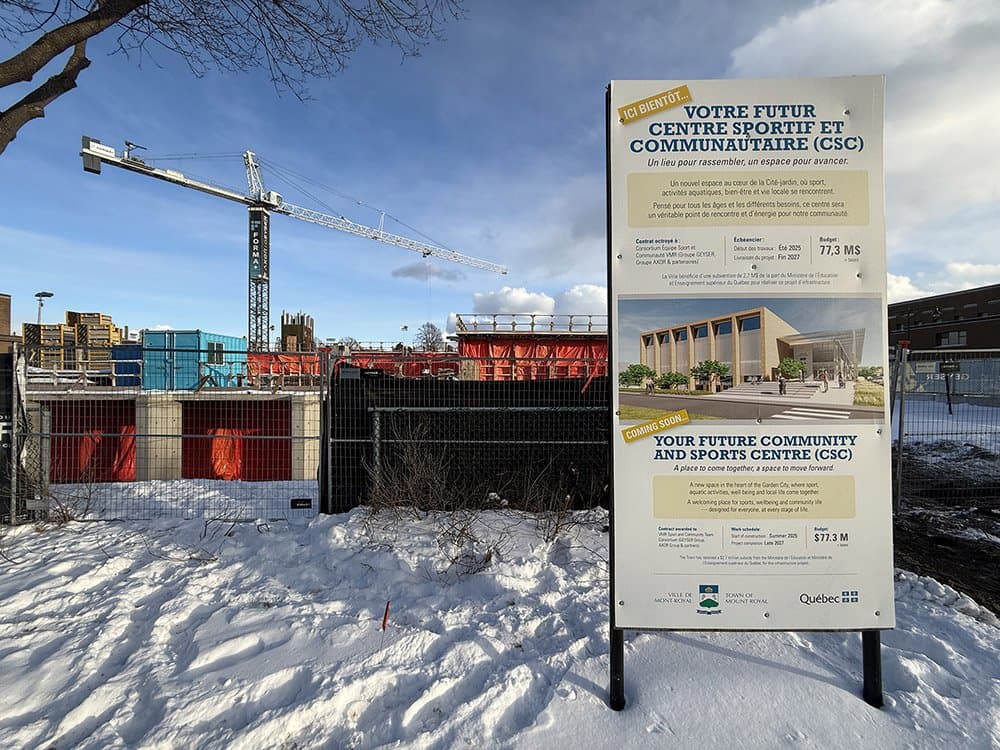
The Future Town of Mount Royal Sports and Community Centre: Impact on Property Values
The future Town of Mount Royal Sports and Community Centre is now under construction and is expected to open in spring 2028, with modern facilities that will make a real difference in residents' daily lives.