
The End of Flips ?
Governments have introduced measures to curb real estate flipping, which our government bodies accuse of contributing to the soaring housing prices. is it still profitable to engage in such operations?
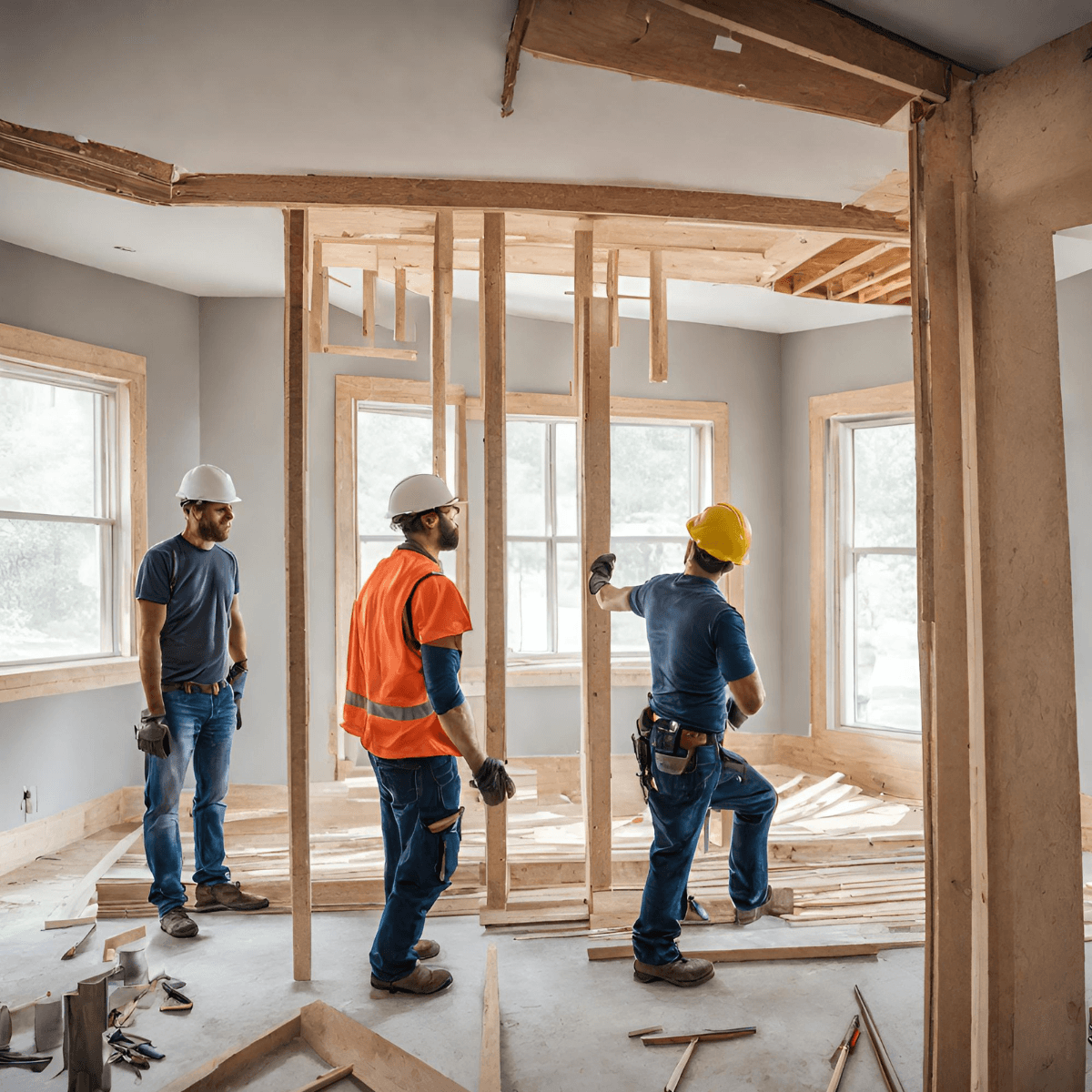
Recently, various levels of government have introduced measures to curb real estate flipping, which our government bodies accuse of contributing to the soaring housing prices. But what is the truth of this claim? And is it still profitable to engage in such operations?
The principle of "real estate flipping" is based on the purchase of a property with the aim of making improvements, thereby increasing its value, to then sell it quickly for a profit. There are mainly two types of flips. The first, called "live & flip," involves an owner moving into the property and living there, sometimes for a long time, and will only sell when the operation is very profitable in order to invest in something bigger. On the other hand, the "regular flip," which consists of renovating and then selling quickly, is more common. Renovations must be carried out as quickly as possible to minimize financing costs, which are often much higher than those of a traditional mortgage. Attractive design and well-chosen decor are crucial to the success of such a flip. The margin is thin.
Origins of flip profitability.
The question arises: how is it possible to make a profit by just renovating? While some work, such as painting or improving natural lighting, can quickly increase the value of a property, most renovations only recoup a fraction of the investment. The profitability of flips comes from several other factors. The most crucial aspect in the field of real estate flipping is what the financial world refers to as "carry," despite the absence of an exact equivalent in French. This concept refers to the increase in market value between the purchase and resale of a property, in other words, the profit made simply by owning an asset during a bull market period. During a flip, the "carry" is calculated on the resale price: for example, if you buy a building for $500,000 and sell it for $1 million after improvements, and the market has experienced a 10% increase, then the "carry" would have brought you a profit of $100,000. This explains why making profits during bear market periods can be difficult for flip investors.
Regarding the quality of the work, it is true that not all developers seek to excessively reduce costs. However, some may choose to prioritize superficial aesthetics at the expense of real quality, in order to maximize profits. This is why a thorough inspection is essential when purchasing a real estate property intended for flipping. The acquisition of undervalued properties also plays an important role. It is often the case that a developer concludes a private sale for a property not listed on the market and thus acquires the property at a price lower than its market value. This raises the question of the real impact of renovation works, as it is sometimes possible to resell the property without improvement and make a considerable profit, although this approach can sometimes be controversial.
Finally, upgrading a property is often the most effective approach, although it is also the most expensive. This involves buying a small rundown property in a neighborhood of more luxurious houses and transforming it so that it blends in with the others. Although this strategy can lead to significant profits, it requires a considerable investment in time, money, and work, while carrying increased risks if the real estate market were to decline.
Tax changes and implications
Changes in tax legislation, both at the federal and provincial levels, are redefining the playing field. Gains made on properties sold within a year of their purchase are now considered business income and taxed accordingly. This complicates the operations of quick flips, especially for small projects. It is perfectly possible that these might become much less frequent. However, the high-end segment could be less impacted. The "live and flip" remains probably the most viable strategy for long-term enrichment and is not really affected by the new tax regulations.
Are flips justly criticized? Not necessarily. On average, they account for less than 4% of real estate transactions and meet a specific demand. If a buyer is looking for a modern condo, they have several options: they can opt for a condo already renovated by a reseller or as a result of a flip, or buy an older unit and undertake the renovations themselves. In both cases, the overall value of the housing stock is likely to increase. It is the demand for renovated products in the Montreal real estate market that is the culprit, not the flippers.
Planning a real estate purchase in Montreal?
Our team can help you find the property that matches your project.
Related content
Why Ahuntsic Remains One of the Most Consistent Areas to Settle Down Long Term
In a Montreal where densification is accelerating, Ahuntsic retains a rare residential stability. For a long-term plan, this consistency becomes a genuine strategic advantage.

2026 Kitchens: Craftsmanship, Sustainability, and Technology
In 2026, the kitchen becomes more vibrant: a return to authentic materials, organic colors, discreet technology, multifunctional spaces built around a large island, sustainability, and scenographic lighting.
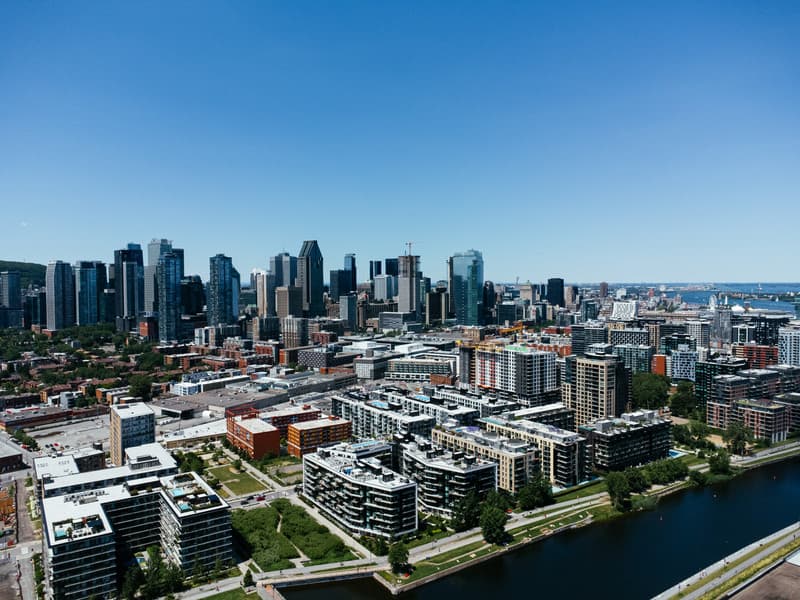
Buying a Condo in Montreal Now: 3 Neighbourhoods of Opportunity (Griffintown, LaSalle, Nuns’ Island)
Montreal’s condo market is rebalancing: more listings, less pressure. Where and how to negotiate smartly (Griffintown, LaSalle, Nuns’ Island) using comparables, DOM and concessions.